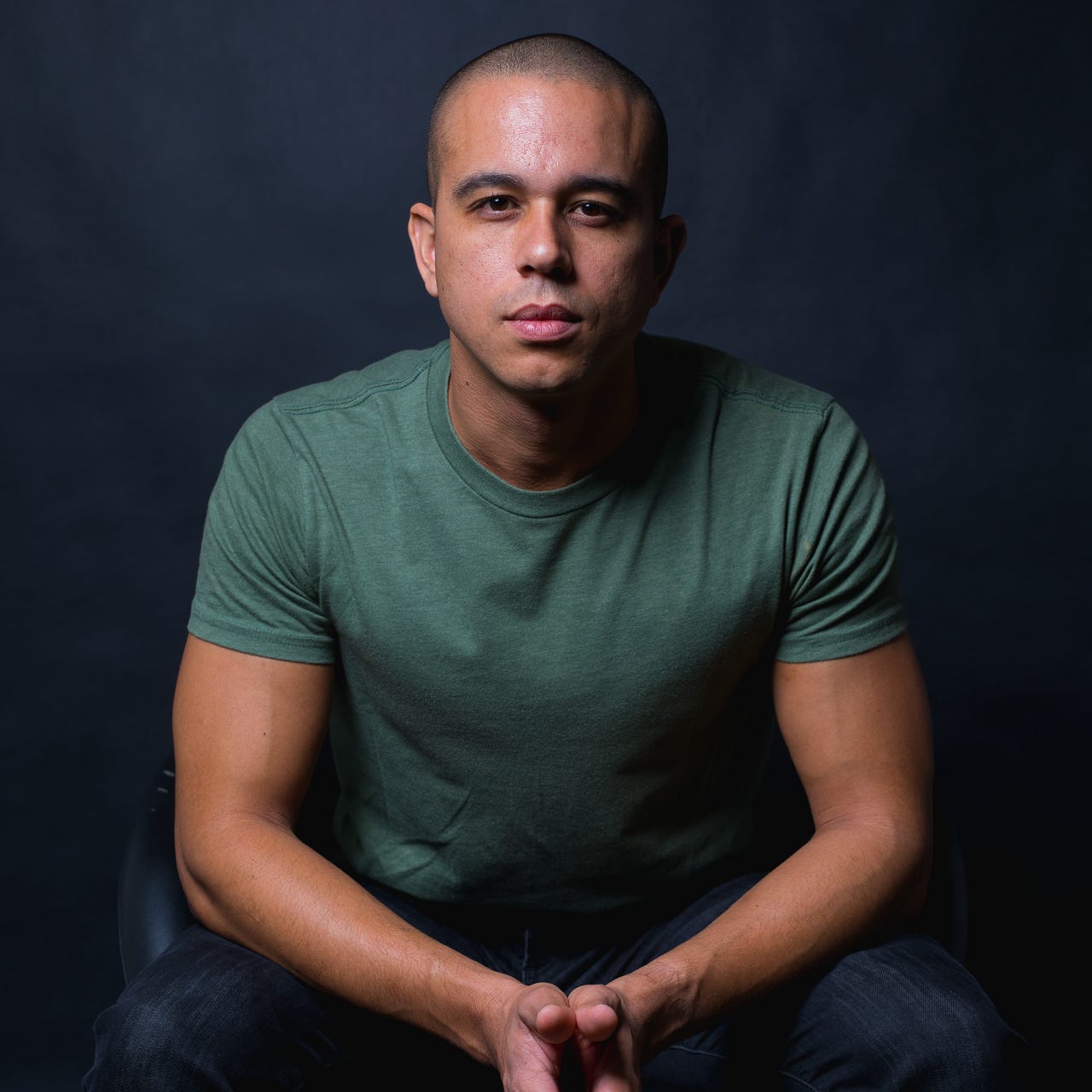
In this episode of The Angry Democrat, Matt moves from big-picture reflections on American ambition and modern attention spans into a long stretch of Ohio-focused political analysis. He covers NASA and Artemis II, a theory about dopamine and phone-driven political culture, critiques of party accountability, two Ohio candidate forums, congressional stock trading, campaign messaging, and local Democratic power struggles involving endorsements and party control.
Timestamps & Summaries
00:00:00 – Opening, show purpose, and topic preview
Matt opens by explaining the mission of The Angry Democrat: holding your own side accountable instead of performing blind partisan loyalty. He then previews the episode’s main subjects, including NASA, dopamine and phone use, Ohio candidate forums, Congress, Ro Khanna, Bill O’Neill, and the Michael O’Malley–David Brock fight.
00:05:20 – NASA, Artemis II, and what happened to American ambition
Matt reflects on his Kennedy Space Center visit, mixing nostalgia, disappointment, and admiration. He contrasts the inspiration and daring of the Apollo era with what he sees as a long stagnation, while also acknowledging the newer public-private model driven by companies like SpaceX and Blue Origin. He argues that missions like Artemis II show how exploration can still unify people and give the country something positive to rally around.
00:18:00 – Dopamine, phones, media saturation, and why politics feels broken
He shifts into a theory about dopamine depletion from constant phone use. In his view, people are less satisfied by real-world activities because digital stimulation is flattening everything else. He then extends that argument into politics and media, saying public discourse now has to become more extreme, more shocking, and more emotionally manipulative just to break through the noise.
00:27:35 – Ohio delegation, party identity, and the need to speak up
Matt questions why Ohio Democrats and much of the Ohio delegation have been less forceful than some independent right-wing media figures in criticizing President Trump. He argues that meaningful pressure has to come from within a coalition, not just from its opponents, and he criticizes a culture where dissent gets treated as disloyalty. He also singles out Laura Rodriguez Carbone for being one of the few candidates he thinks spoke up clearly and repeatedly.
00:34:47 – Ohio 7th District forum and what actually matters in candidate events
Matt breaks down the Ohio 7th District forum using his own framework: presentation, policy understanding, and execution. He argues these events are less about deep policy and more about whether candidates can communicate clearly, hold the room, and show they either know how to fight or know how to govern. He also praises a more interactive Wayne County-style forum model where voters and candidates engage in smaller groups for longer conversations.
00:43:37 – Ohio 21st Senate District forum: Kent Smith vs. Dolores Gray Ford
He then reviews the Ohio 21st Senate forum and describes it as a mismatch. In his telling, Kent Smith came across as polished, deeply informed, and fluent in legislative substance, while Dolores Gray Ford appeared less prepared for the structure and pressure of the event. He also critiques the moderator for extending time on a property-tax question in a way that he thinks favored Smith and made the exchange less fair.
00:53:52 – Ro Khanna, insider trading, and hypocrisy in Congress
Matt pivots hard into congressional stock trading, focusing on Ro Khanna. He argues that Khanna presents himself as a reformer while benefiting from an arrangement Matt sees as functionally indistinguishable from insider enrichment, even if the trades are formally attributed to Khanna’s spouse. He ties this into broader disgust with congressional self-dealing and also criticizes those willing to take Khanna’s endorsement without confronting the contradiction.
01:08:55 – Ed Fitzgerald mailers, campaign branding, O’Malley vs. Brock, and the Bill O’Neill endorsement controversy
From here, Matt moves into the local political back half that was missing before. He starts by critiquing Ed Fitzgerald’s mailer, questioning the claims in it and then veering into a broader commentary on Fitzgerald’s washed-out visual branding and campaign presentation. He then turns to the Michael O’Malley–David Brock conflict, framing it as a fight over control of endorsements, party machinery, and institutional power inside the county Democratic process. Finally, he discusses the Cleveland State law endorsement controversy involving Bill O’Neill, describing the dispute over whether campaigns are entitled to deference or whether they need to earn endorsements through actual outreach and engagement.
Disclaimer
This summary and timestamp breakdown were generated from a transcript.