

Democrat Courtney Scheff defeated longtime District 5 Councilman Mike Gallagher in November, leaving Democrats set to hold all 11 seats on Cuyahoga County Council. I spoke with Gallagher, the council’s last Republican, about what he saw on Election Day, how the next council might exercise its independence, and which spending decisions he’ll be watching.
This conversation has been condensed and paraphrased for clarity.
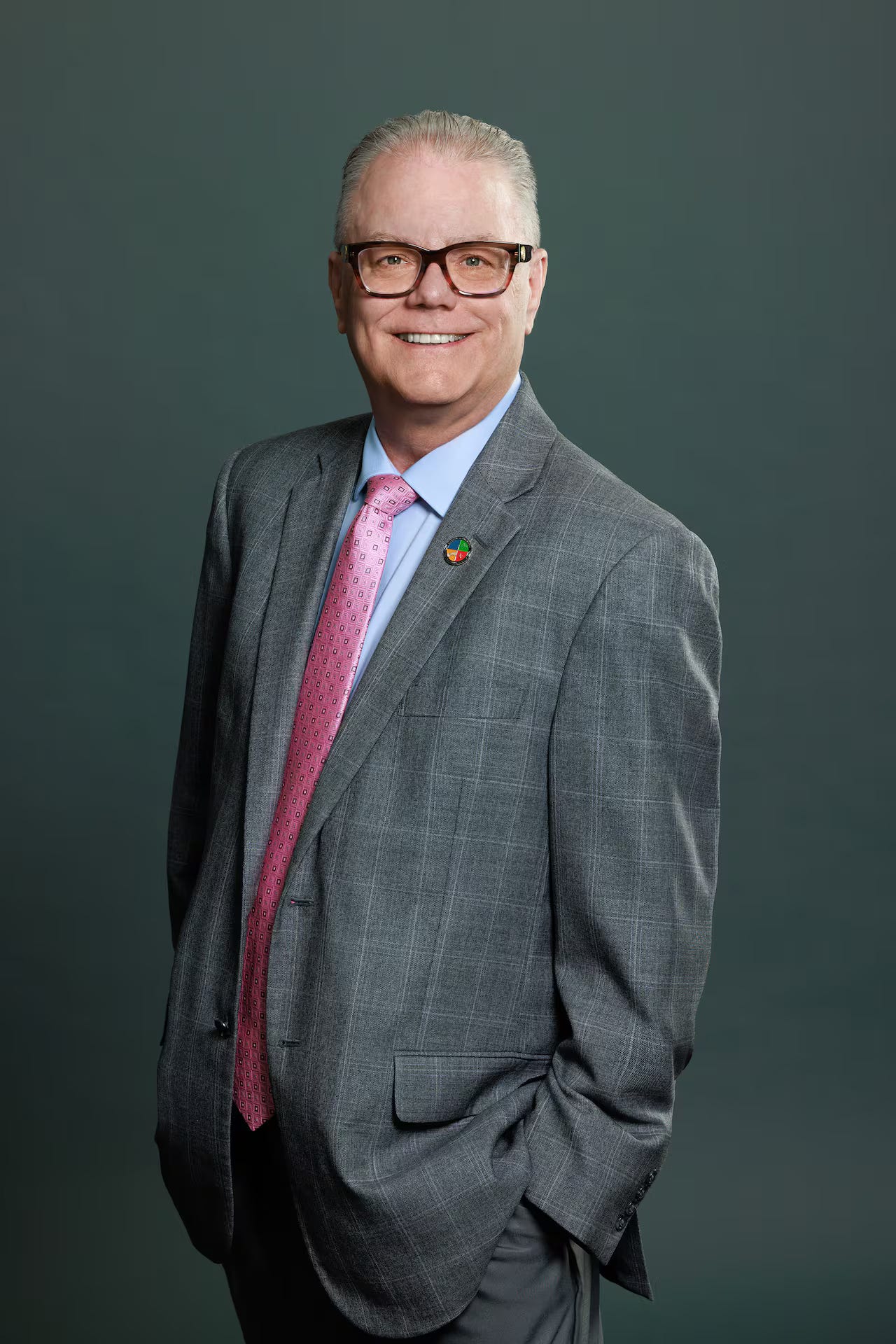
Matt Diemer: You’ve held this seat a long time. Were you expecting to lose? When did you realize something was happening?
Mike Gallagher: I didn’t see it coming until Election Day. By 10 that morning I could feel something in the air. People going in to vote seemed focused, like they had a mission. The message I took from it was that they wanted to get rid of what was going on in Columbus and Washington. That was my read of the people I was seeing that morning.
Matt Diemer: How much do you think Trump affected your race?
Mike Gallagher: Some. Maybe a point or two. I’ve always tried to reach people in the middle and on the other side. A president can affect races down the ballot. Biden affected previous elections, and you’d expect Trump to have an effect here. What got me was that he told people to vote like he was on the ballot. Then afterward he said Republicans would have won if he had been on it. As far as I’m concerned, he was on the ballot in this district. People were thinking about him when they voted.
Matt Diemer: What mattered more to you, the top of the ticket or what the parties did on the ground? I barely saw the Republican Party anywhere.
Mike Gallagher: Neither did I. I thought the top of our ticket was weak. People hoped it would get stronger as the race went on. Then Vivek Ramaswamy ran that ad involving Amy Acton’s biological mother. I’ve never gone negative in a campaign, and I’m proud of that. I thought that ad was unnecessary. Running it that late told me he thought he was losing.
The Democrats saw an opening and went for it. I’d see two or three of them at polling places while I was walking around looking for anybody on our side. I give them credit for showing up. It felt like a ghost town for Republicans. The last time I remember speaking with county party chair Lisa Stickan was over the summer. I had support from individual Republicans. As the statewide and congressional races got messier, I told the party to leave me off its materials and let me run my own race. I wonder how it would have gone if I’d run as an independent.
Matt Diemer: Democrats will have every seat on council and the county executive’s office. Will voters still hear disagreements in public? Can council hold Chris Ronayne accountable?
Mike Gallagher: I think it can. People called me the lone voice. I was the loudest voice, and I had colleagues who shared my concerns, depending on the issue. If I saw something wrong, I said something. I also thought the way Patrick Kelly was treated sent a message about the price of breaking ranks. That’s how I saw it.
Watch who chairs finance and who gets the other committee chairs. Within six months, we should have a sense of whether council will serve as the check on the executive that it was intended to be. They can work with him and still exercise their own judgment.
Matt Diemer: You’ve been one of the loudest critics of Ronayne’s spending. Where do you think he’s put the county at risk? What’s the first decision you’ll be watching?
Mike Gallagher: Start with the quarter-percent sales tax extension for 40 years. The case for it was that we needed to build a jail and a justice center. My concern is how much of that money can go toward covering general fund spending. I tried to make that case during the campaign, and it didn’t resonate.
I’ll watch where the new Health and Human Services levy money goes. The county went back to voters two years early. My criticism is that the administration spent down reserves and went to the public without a plan to replenish them. If the county uses the new revenue to replace everything Washington and Columbus stopped funding after COVID, I think we’re going to be in trouble. I’ve also heard talk of going to voters for money for the pro sports facilities. I think that would be a much harder sell.
We also have hundreds of county positions sitting open. It used to be that people really wanted to work for the county. I’m curious what happens to some of those positions as AI comes into use, and whether that saves the county money.
Matt Diemer: Is this a make-or-break two years for the county budget? How much room does council have to get things wrong?
Mike Gallagher: I don’t know if I’d call it make-or-break. The big decisions are coming quickly. I remember the jail being discussed at roughly $550 million. I think it could end up costing $1.2 billion or more. Then there’s the justice center. The judiciary is frustrated, and we’ll have to borrow for another major project. When we handed it over, we were talking about $600 million, with Cleveland paying about a third if it participated. As far as I know, we’re still waiting to hear where Cleveland stands. How do you design a building when you don’t know if one of the partners is going to be in it?
Matt Diemer: How do you think Dale Miller has handled the council presidency? Who would you look at for the job?
Mike Gallagher: I was in leadership in Strongsville. It’s a hard job. You’re dealing with personalities and whatever problems come through the door that day. I thought Ellen Connally was the right person at the right time. Dan Brady was politically savvy, and we dealt with problems as they came up. With Dale, I kept hearing that he’d run things by the executive team first. I thought that was more deference than the job called for. It made for a difficult two years.
Michael Houser, Robert Schleper and Meredith Turner come to mind. I don’t know if Schleper wants it. For the new members coming in, I’d spend some time absorbing how things work. People hear “council” and think of city council. A lot of county council’s work is legislative and administrative. You’re figuring out where money needs to go and making sure problems get to the right people.
Matt Diemer: What advice would you give Courtney Scheff as she takes over your seat?
Mike Gallagher: I’ve met with her. I’d tell her to be independent, keep her eyes and ears open and pay attention to how things unfold. I don’t remember Ed FitzGerald or Armond Budish calling council members about votes. Chris is comfortable doing that. For me, once I’ve heard the debate and participated in it, I know how I’m going to vote. That’s my responsibility as a council member.
Matt Diemer: Do you think Cleveland is pulling its weight in its relationship with the county?
Mike Gallagher: Cleveland relies heavily on the county, in my view. The councils don’t meet, and I don’t know how much the mayor and county executive coordinate. Before we get to the money, I’d like us to sit down and ask where we’re going. The city has a direction and the county has a direction. I don’t see those lining up very well right now.
When Ed FitzGerald announced a $50 million program to tear down problem houses and clear properties, three Cleveland council members showed up at the next meeting. One told me Cleveland should get the whole amount because it had the biggest problems. I asked how much of his own ward allocation he’d already spent on tearing down houses. I ended up putting in a records request about the ward money and withdrew it after a colleague asked me to. I still remember that exchange.
Matt Diemer: What’s next for you? Are we making news today about a run for state Senate?
Mike Gallagher: I’m going to give it a little while and relax. I’ve been retired, but I’ve always worked. I’m not pursuing anything right now. The county Republican Party has some work to do to figure out what it wants to be. We did horribly in this election.
I really do want the people who got elected to succeed. I need Amy Acton to succeed. I need Courtney to succeed. I need Chris to succeed. If they do well, we all do well. We haven’t reached our potential. I’m interested in what’s happening at the lakefront, and I’m glad the Haslams and Dan Gilbert are investing here. I’d like to see more young people come back home.
Courtney Scheff’s response

After speaking with Mike Gallagher, I sent Courtney Scheff questions about her priorities for District 5, how she would work with County Executive Chris Ronayne, and how she would approach decisions on the jail, the Health and Human Services levy, and public funding for sports facilities.
In her email, Scheff said one of her priorities is to be accessible to District 5 residents. She said she wants to share information about county government, listen to residents’ concerns and ideas, and connect people with the appropriate county departments when they need help. She also said she plans to start a District 5 newsletter once she takes office.
Scheff said she had addressed many of the questions in previous interviews and campaign materials. She pointed me to these three sources:
Ideastream Public Media’s Cuyahoga County candidate questionnaire
The Plain Dealer’s interview with Courtney Scheff and Mike Gallagher
Courtney Scheff’s campaign website
That's a great interview with Mike and contains a lot of useful information.
What concerns me about District 5 is that Courtney declined to answer the questions in this interview and instead directed the author to links from interviews she had given during the campaign. I found that very telling. It left me wondering why she wasn't willing to address the questions directly now that the election is over.
Given that she also has the support of the County Executive, I would have liked to hear her clearly state that she intends to exercise independent judgment and provide meaningful oversight. Residents deserve assurance that there will be real checks and balances, not an automatic rubber stamp for the administration.