

When I was a kid, good service meant that you walked into a place and somebody smiled, greeted you, talked to you, and helped you through the process of purchasing or deciding what you wanted. Maybe they even did a little something extra, like carrying your bags to the car or wrapping something for you free of charge because, hey, they wanted your business.
The people working there had in-depth knowledge of the products they sold or the skills they provided. You felt confident that you were going to get exactly what you wanted. Customization and talking through decisions were expected.
“Service with a smile,” as they used to say.
“The customer is always right.”
Those little things helped small businesses and even major corporations succeed and gain loyal customers. It was something we all understood.
More and more, my friends and I find ourselves asking the same question: What the hell happened to service?
We Don’t Get Service Anymore
Maybe this is another lament from a middle-aged man, but it is a common theme among my friends in their 30s, 40s, and 50s. Service is not the same.
Customer-service calls have been exported to call centers. You press one for English and two for Español. Then you hear the familiar recording: “Please listen carefully because our menu options have recently changed.”
You spend the next five minutes trying to determine whether you should press four for sales, five for office hours, or repeatedly smash zero while screaming, “Representative,” into your phone.
Then there is restaurant service. A 20% tip used to represent great service that exceeded expectations. Now, 20% feels like the standard, almost mandatory amount because we have been guilted into accepting that this is simply how workers get paid.
You do not even need to receive actual service anymore. Someone spins a computer screen around and passively says, “The screen is going to ask you a few questions,” as if neither of you knows what the question will be.
Money, please.
The strange part is that this may be one of the only times you will hear me say this with “complete confidence:” I may be getting old.
And I am starting to wonder whether the idea of good service has fundamentally changed.
What If We Are the Ones Who Don’t Understand?
More and more people order through apps. They order online or through their phones. Even when they physically visit a business, they may order ahead and simply pick something up.
The Starbucks app is a prime example.
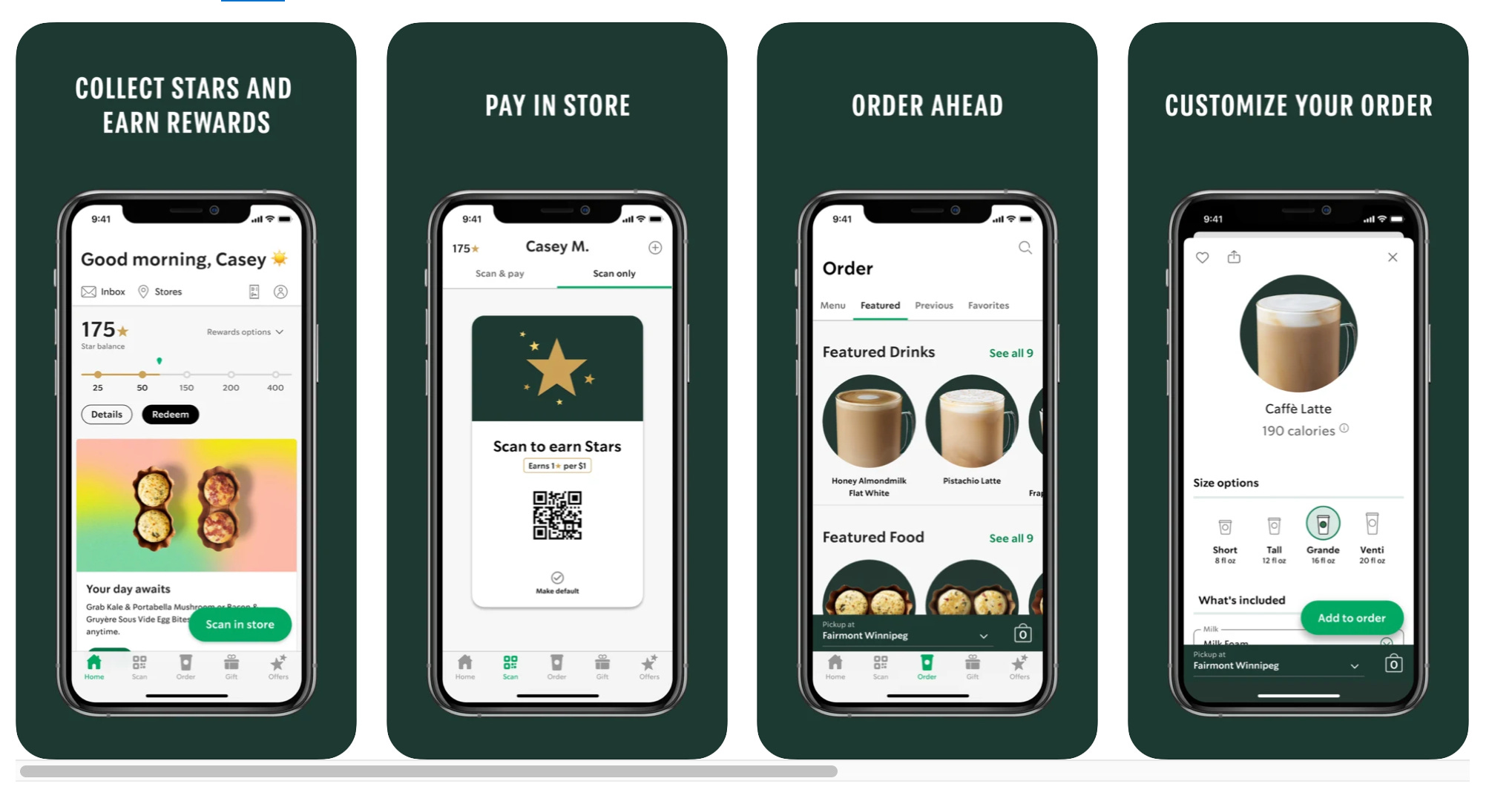
You can order a customized drink with all your choices already selected, drive to the store, walk inside, avoid eye contact with everyone, grab a drink with your name on it, and leave without talking to anybody.
You can even use the drive-through, say that you have a mobile order, grab your coffee, and go with almost no interaction.
The other day, I was getting a haircut, and my hairdresser was talking about some of her younger customers. She said they come in and do not know how to make small talk. They do not make eye contact and sometimes seem rude.
People have started calling this the “Gen Z stare,” the awkward reaction some younger people have when they are unexpectedly required to interact with another human being.
To Gen Xers and millennials, it can feel strange and uncomfortable.
But what if we are the ones getting old?
What if service has not disappeared? What if the definition of good service has changed?
Maybe good service now means no unnecessary interaction and no mistakes.
It means high customization without having to talk to anybody.
Frictionless Service Is Still Service
When you order through the Starbucks app, you have already told the business exactly what you want. Your drink should be waiting when you arrive. It should be made exactly how you ordered it and completed within the promised time.
The customer’s responsibility is to order correctly and pick it up before the ice melts or the coffee gets cold. The business’s responsibility is to provide enough customization options, prepare everything correctly, finish it on time, and send a notification when it is ready.
If all of that happens, younger customers may consider it excellent service.
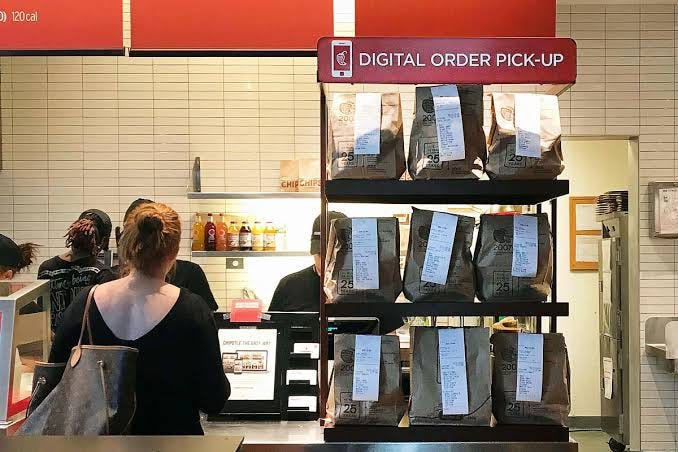
The same thing happens at Chipotle. If you want a chicken bowl with white rice, black beans, and extra guac, every option is listed clearly. You order online, walk in, grab the bag, and leave.
That is good service now.
Good service is no longer necessarily about being talked to, coached, finessed, or told about different products. People can learn about products online. They have TikTok, influencers, customer reviews, restaurant reviews, food creators, YouTubers, and thousands of strangers explaining what they should order.
The salesperson has already been replaced by the internet.
The marketing happened before the customer walked through the door. The decision was already made.
The business’s new obligation is to let the customer order from a phone, walk inside, grab exactly what was ordered, and leave.
Good service is becoming less about personal attention and more about how frictionless the experience can be. Can you receive a quality product that meets your expectations, remains consistent, and requires as little effort as possible?
I personally believe this is what newer generations want. They do not necessarily want a lengthy conversation with somebody inside a restaurant. That helps explain why more restaurants are using QR codes, online ordering, and menus that customers access through their phones.
Many restaurants opening today simply plug into DoorDash or another ordering platform. Customers can place a takeout order before they even arrive.
There is a Filipino https://parilyacle.com/ restaurant near me that I really like. I have probably been there 20 or 30 times.
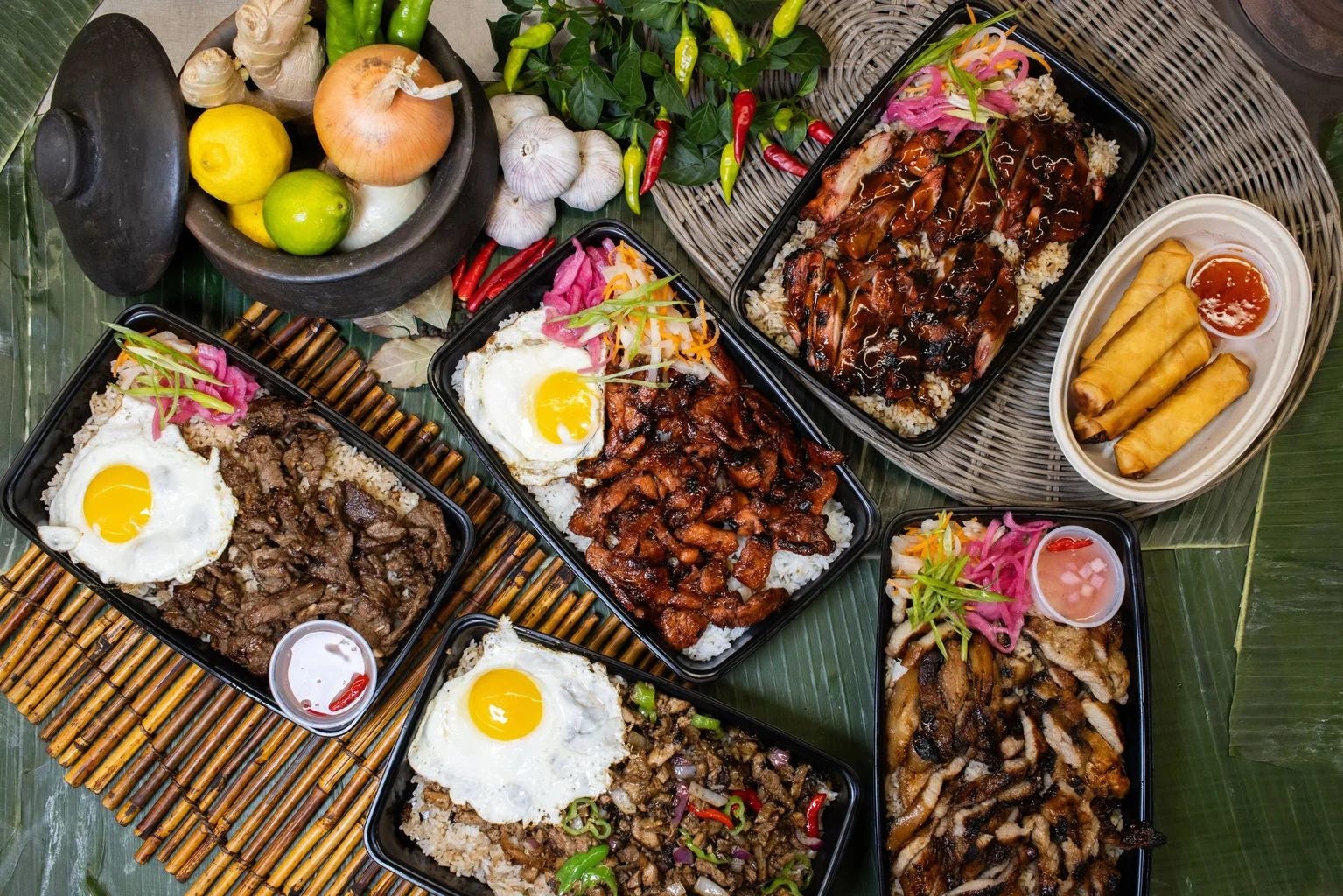
I walk inside, they ask if I have a pickup order, and I give them my name. They hand me a bag, and I sit down at one of their tables to eat. There may be a “please” or “thank you” somewhere in the transaction, but I do not know anyone’s name, and they do not know mine.
Under the old definition, that might not sound like good service.
Honestly, though, it is.
The food is consistent. It is always hot. The options are clearly listed on the menu. I receive a text when my order is finished. Because I know how far away I am, I can time my arrival. I walk in, grab my food, eat it, and leave satisfied.
What else was the service supposed to accomplish?
The Hairdresser of the Future
I think we are moving toward a place where service and customer expectations will be fundamentally different.
Consider how this could eventually work at a hair salon.
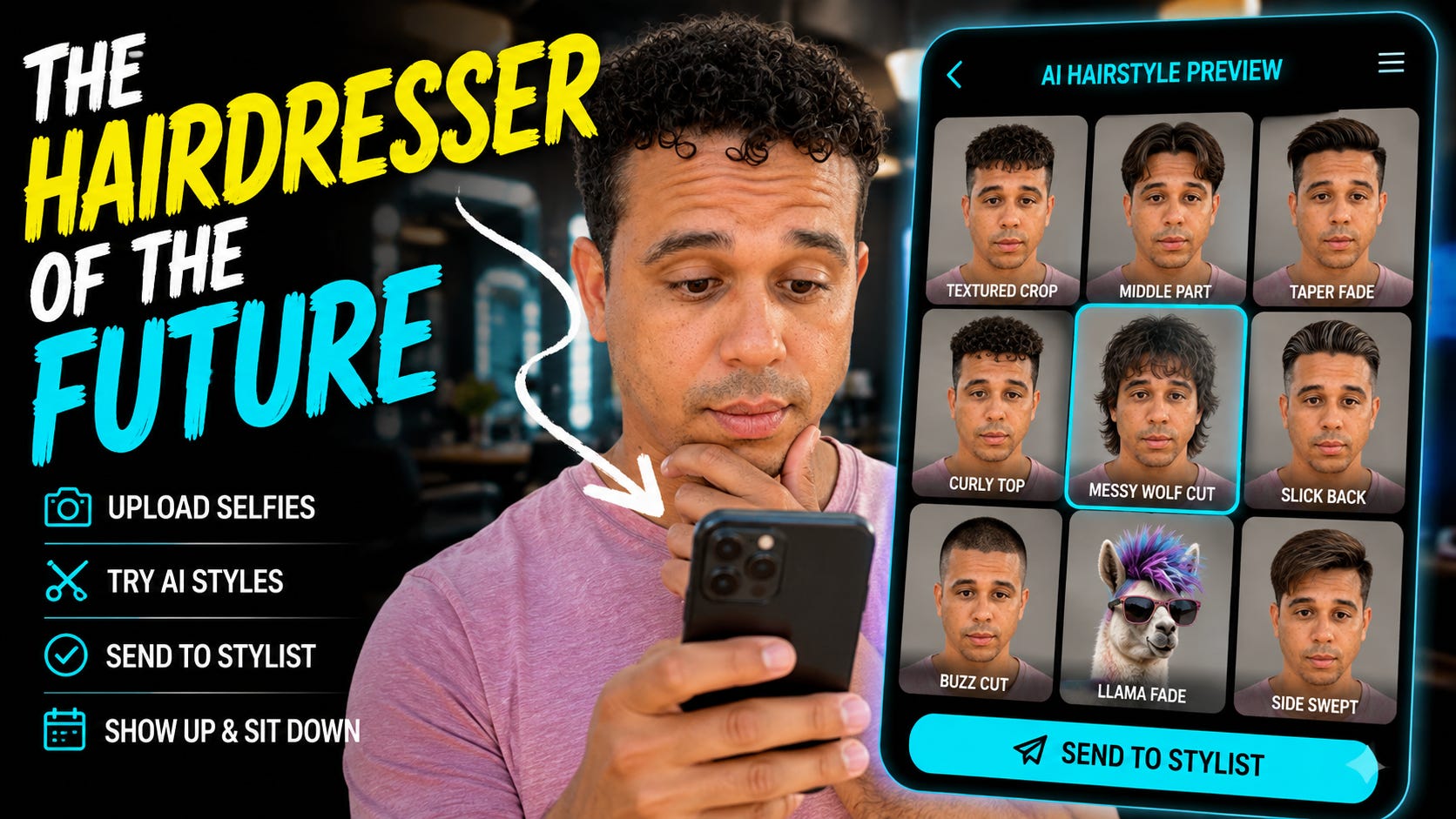
You take a few selfies showing your face and hair. You upload pictures of hairstyles you like, perhaps from celebrities, influencers, TikTokers, or YouTubers. Artificial intelligence generates composite images showing your face with those different hairstyles.
You make adjustments, compare the results, and select exactly what you want. You send that selection to your hairdresser before the appointment.
Then you walk in, sit down, and the hairdresser already knows what to do.
You do not need to explain cultural references. You do not need to bring magazine pictures or struggle to describe how much length you want removed. You do not really need to talk at all.
You sit there, scroll through your phone, get the haircut you selected, say thank you, and leave.
If the haircut looks exactly like the image you submitted, that would be considered great service.
It just would not be the service I grew up with.
Is This Better?
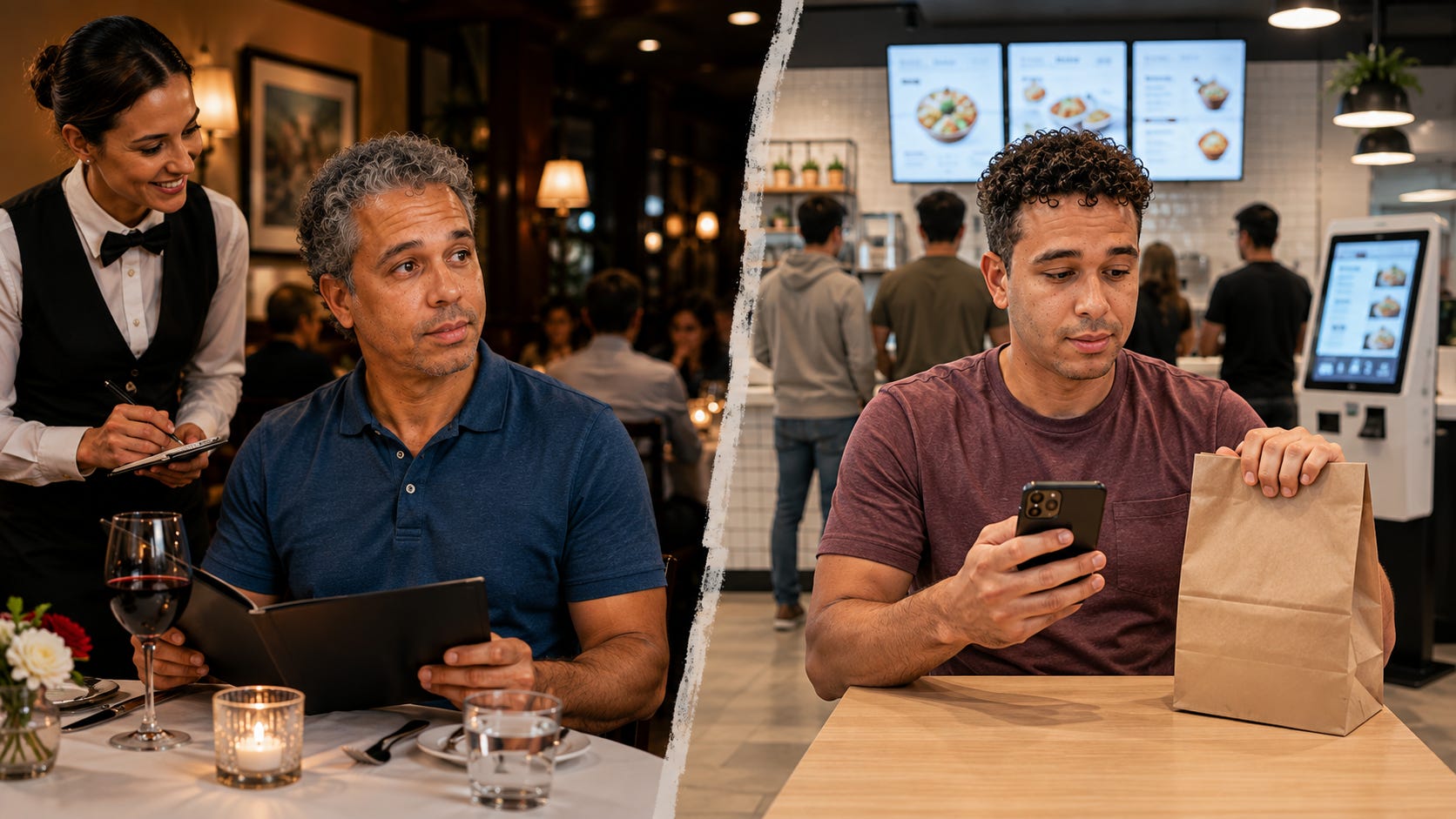
The moral of the story is that I believe service has fundamentally changed. The expectations people place on businesses are different.
Is this the world I remember? No.
Is it the world I want to live in? Mostly, no. Some days I like it, but mostly, no.
But is this where service is going? I think so.
I still appreciate walking into a place where someone knows my name. I like talking to people who understand what they sell. I like the small interactions that make a business feel like part of a community instead of a distribution center.
But I also appreciate ordering exactly what I want, receiving a notification when it is ready, walking inside, and leaving without a problem.
Maybe those two ideas of service can coexist. Maybe some businesses will continue offering personal relationships while others compete by making human interaction almost completely unnecessary.
Or maybe the service I remember will slowly disappear because the next generation does not consider it valuable.
Is that bad? I do not know.
Is it good? Again, I do not know.
What do you think? Has customer service gotten worse, or has the definition of good service simply changed?