The Democrats win while we all continue to lose.
That’s really the only way to describe what just happened in Virginia. A referendum passed that allows lawmakers to redraw congressional maps under the guise of “restoring fairness” until the next census. And if you read that at face value, it sounds reasonable. But, that’s not what it is.
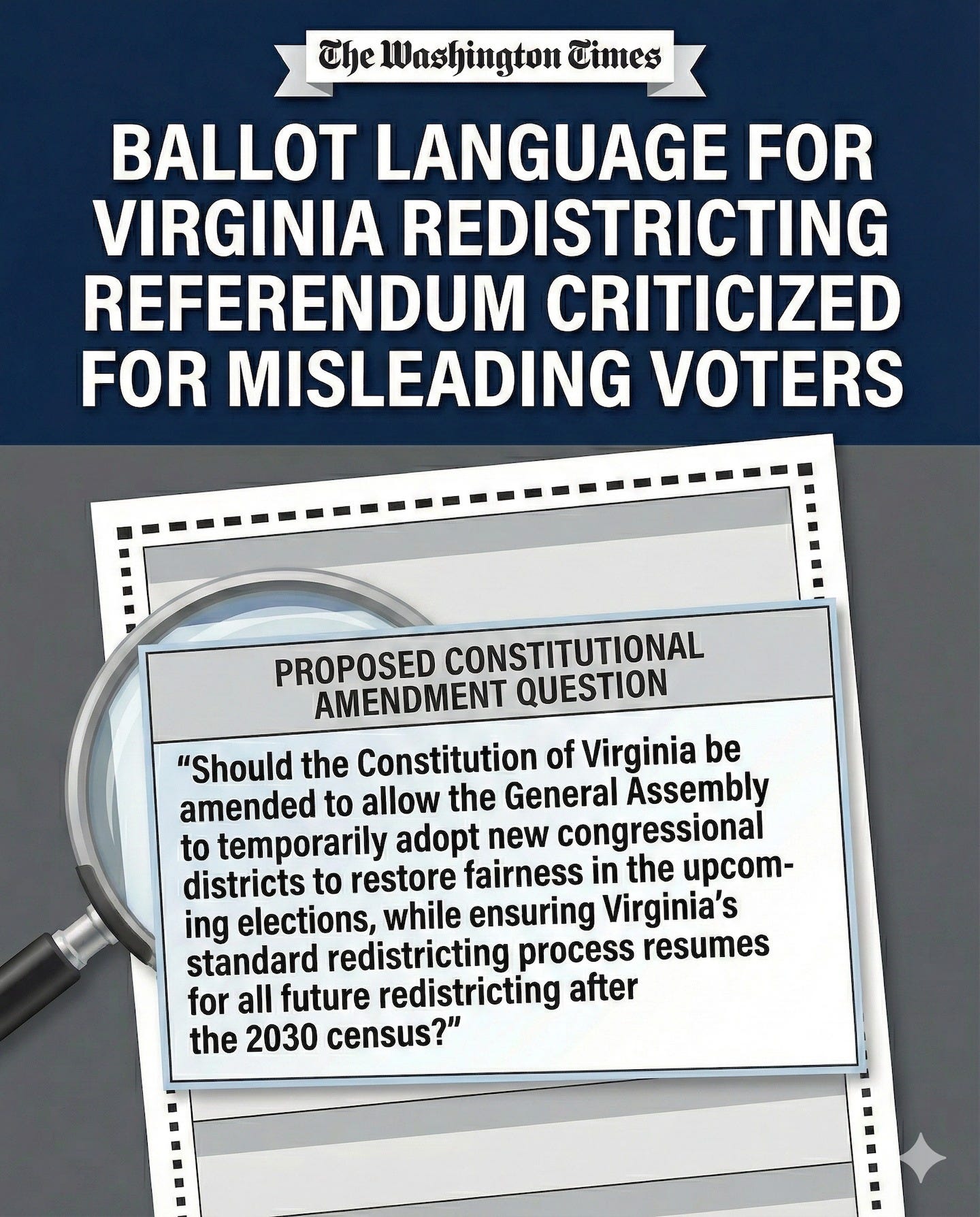
What it actually does is take an existing map and reshape it in a way that gives Democrats a stronger advantage in the short term. And before anyone jumps to defend it, let’s be clear about something upfront. Republicans started this escalation. Texas, Indiana, and other states have aggressively tried to redraw maps to lock in power and pick up seats. That is part of how we got here.
The response from Democrats is if you’re going to do it, we’re going to do it too. And on a tactical level, I understand it. You don’t just sit there and let the other side stack the deck without responding.
The problem is what that leads to.
Because when both sides are playing this game, the only thing that actually loses is our representation.

Gerrymandering Was Always a Problem.
Gerrymandering isn’t new. It goes back over 200 years to Elbridge Gerry, who signed off on a district so absurdly shaped that it was compared to a salamander. That’s where the term comes from. Gerry’s Salamander. Gerrymander.
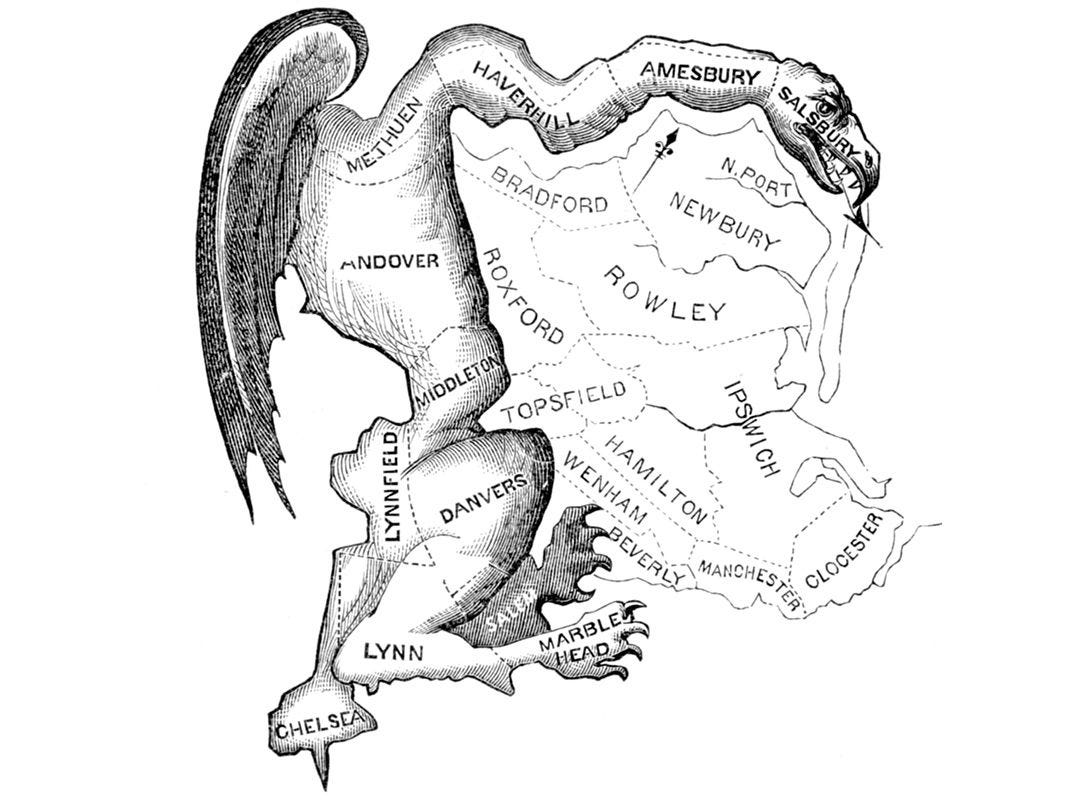
And since then, it has always been used for one purpose. To manipulate district lines in a way that gives one party an advantage in elections.
The difference now is precision.
Data and technology is better. You’re no longer just drawing broad lines across counties. You’re zooming in on neighborhoods, sometimes even down to individual blocks and houses, and carving out districts that guarantee outcomes. You can try it too with tool like Dave’s Redistricting.
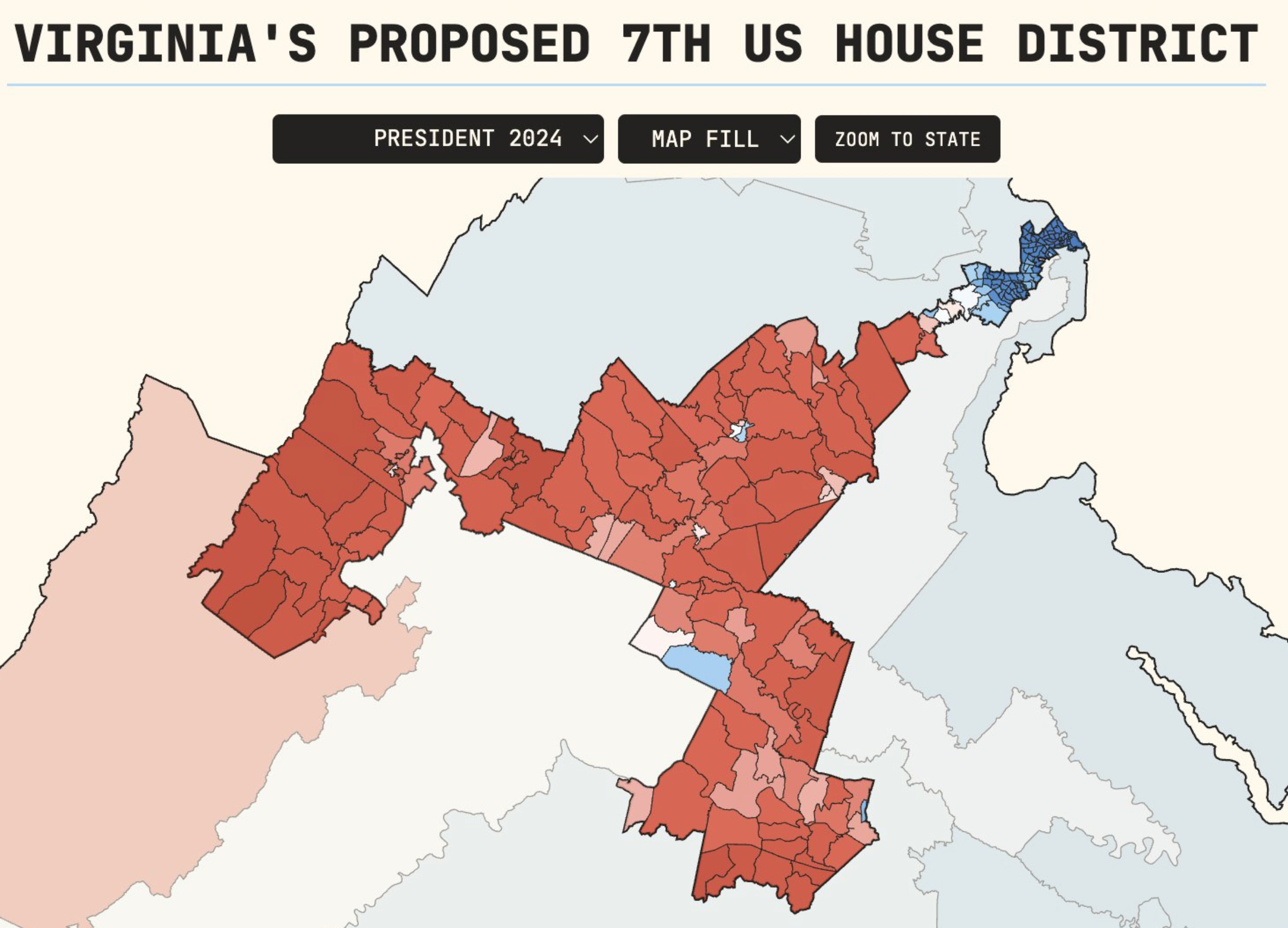
That’s how you end up with districts like Illinois’ 4th, nicknamed “the claw,” or what’s now being referred to now in Virginia as a “lobster” shaped district that stretches across completely disconnected regions just to group voters in a way that produces the desired result.
Virginia Was Already Close to Fair
What makes this situation frustrating is that Virginia wasn’t wildly out of balance to begin with.
In the 2024 presidential election, the state went roughly 51.8 percent for Kamala Harris and about 46 percent for Donald Trump. The congressional delegation before this change was split 6 Democrats to 5 Republicans.
That’s not extreme. If anything, that’s fairly representative of a state that leans Democratic but is still competitive.
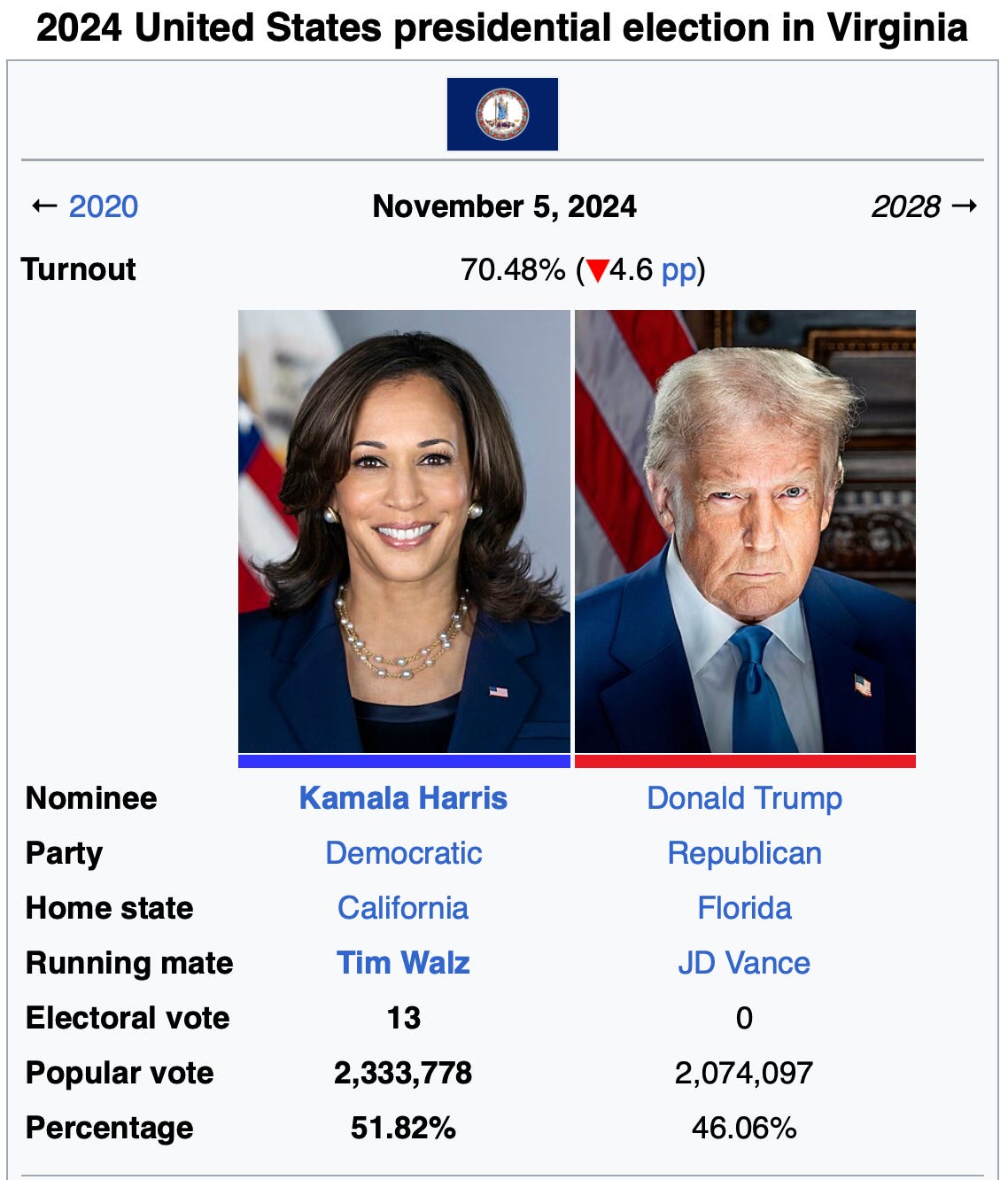
Even if you wanted to argue for a slightly more Democratic tilt based on the gubernatorial race, you’re talking about maybe 7–4. What is being proposed now is not that.
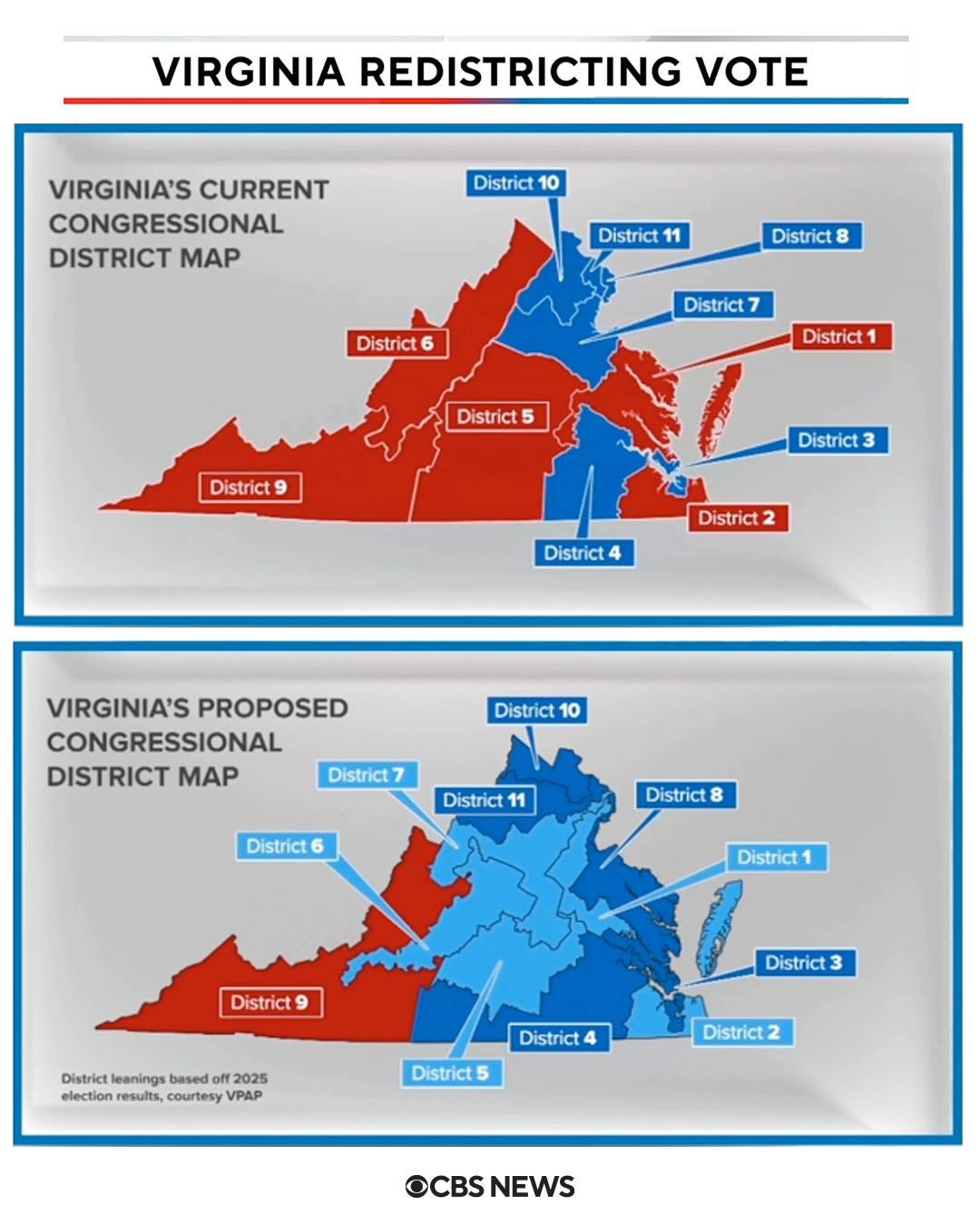
You’re looking at potential outcomes like 9–2 or even 10–1, driven by maps that stretch across regions that have no logical connection.
This Is the End Result of “Win at All Costs”
This is what happens when both parties fully commit to winning at all costs.
You stop trying to represent people, and you start trying to just win. You put voters into boxes, you isolate opposition, and you concentrate your own base into districts that guarantee outcomes. And once that happens across enough states, you don’t have competitive elections anymore.
You have a handful of districts across the entire country that actually decide control of Congress. Everything else is predetermined.
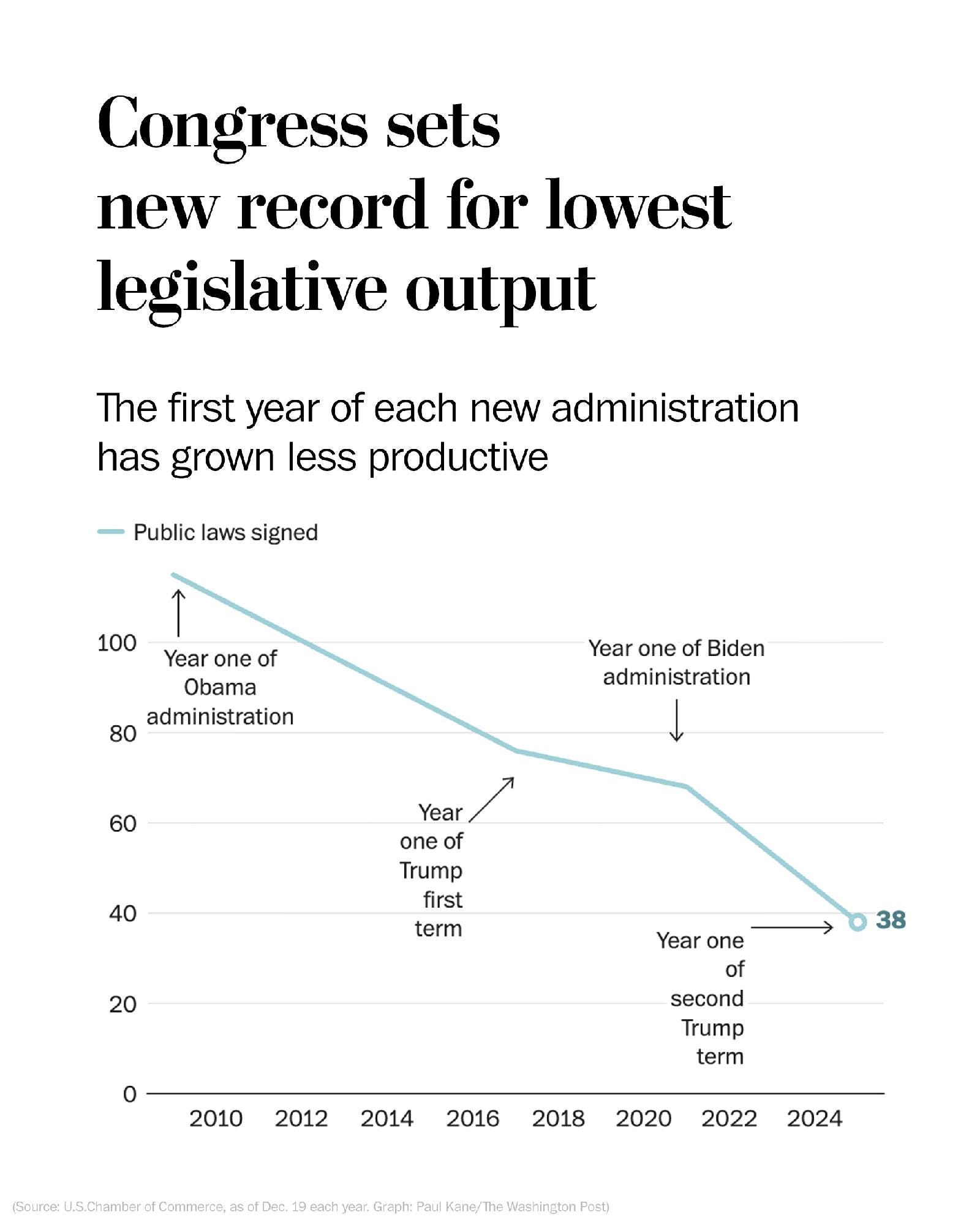
When that happens, Congress stops functioning the way it’s supposed to. We see that now! Because the real risk for most politicians is no longer losing to the other party. It’s losing a primary. It’s losing to someone more extreme within their own party. So there’s no incentive to compromise, no incentive to work across the aisle, and no incentive to actually govern.
That’s how you end up with a system that looks active but produces very little.