

I think we need to be honest about something.
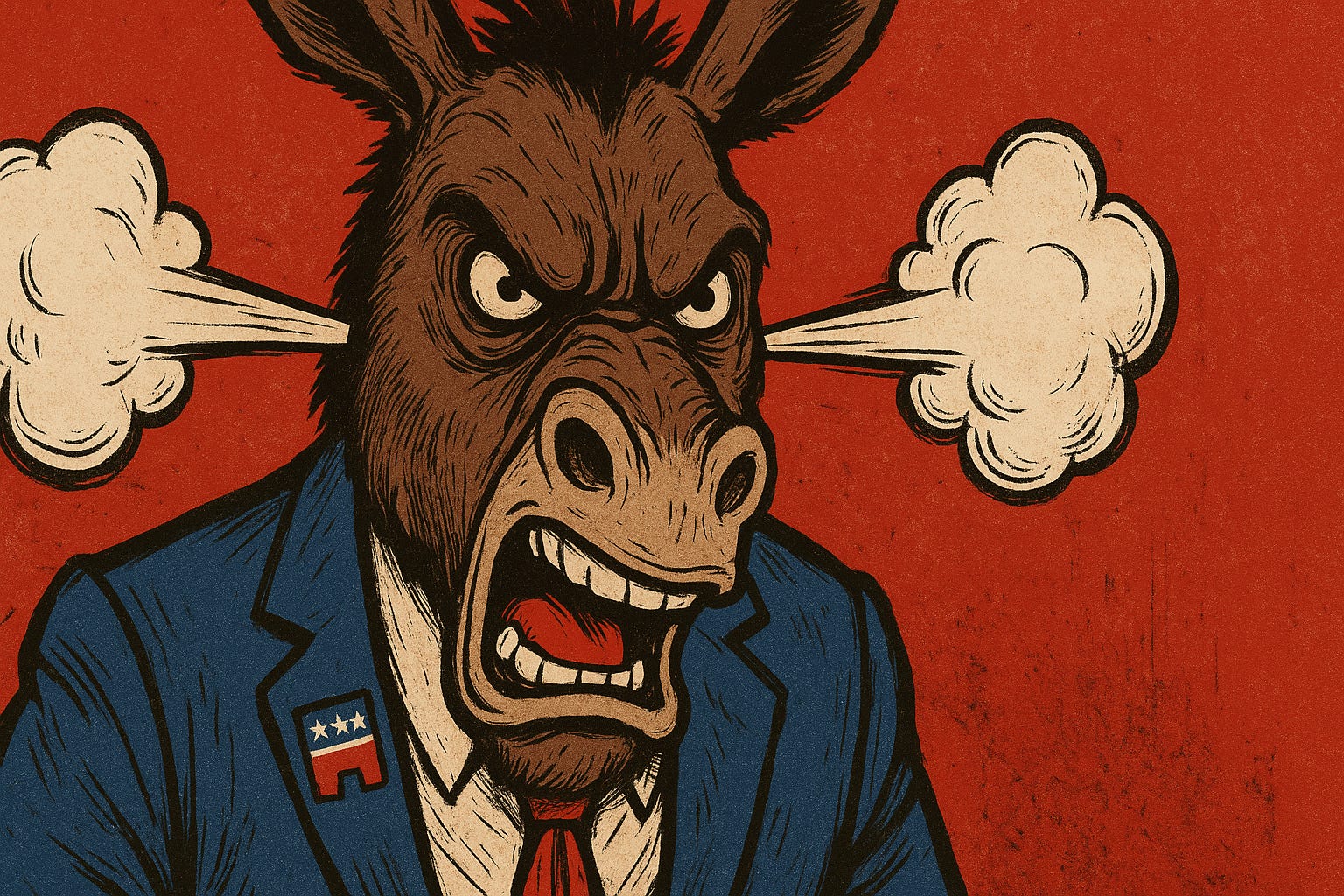
Establishment Democratic liberals are conservative. Not conservative in the MAGA sense. Not conservative in the evangelical, Reaganite, right-wing Republican sense.
I am talking about conservatism in the institutional sense.
Conservatism, broadly understood, is about preserving existing institutions, protecting inherited systems, favoring gradual change, and resisting disruption. That does not only exist on the right. That absolutely exists inside the Democratic Party too.
A lot of modern establishment Democratic liberalism says it is culturally progressive. It says supports diversity, tolerance, climate language, housing language, equity language, and democracy language.
But in fact it is institutionally conservative. When the actual solution requires building, changing, challenging incumbents, disrupting donors, reforming zoning, questioning institutions, or moving faster than the system is comfortable with, the instinct becomes conservative.
Protect the process. Protect the institution. Protect local control. Protect the incumbent. Protect the donor structure. Protect the old way of doing things.
Status-quo bitches.
Conservatism Is Not Just Republicanism
This is where the conversation has to start. If we define conservatism only as Republican politics, then we miss what is happening inside our own party.
The Republican Party has become reactionary. It wants to drag the country backward. But the Democratic establishment has become preservationist. It does not usually want to reverse social change. It wants to manage the current system more politely and with better language.
But preserving a broken system is still a form of conservatism.
That is the distinction. The Republican Party is reactionary. The Democratic establishment is preservationist. And preservationism is a form of conservatism.
You can see it in housing. You can see it in transportation. You can see it in clean energy. You can see it in technology. You can see it in the way the party protects incumbents. You can see it in the way the DNC handles accountability. You can see it whenever reform challenges the people already holding power.
The Democratic establishment says it wants change.
But too often, it fights like hell to block it.
Housing Is the Cleanest Example

Democrats talk about housing affordability all the time. Housing is too expensive. Rent is too high. Young people cannot buy homes. Working families are getting pushed out. Homelessness is a crisis. Climate change requires density and transit-oriented development.
Talking points.
But when housing reform actually challenges zoning, wealthy neighborhoods, local control, and the ability of existing homeowners to veto new development, a lot of Democratic liberals suddenly sound like old-school conservatives.
California is probably the clearest example. Governor Gavin Newsom signed SB 79 in 2025, a law meant to allow denser housing near major transit stops. It is basic climate and housing logic: build more homes near trains and buses. But Los Angeles leaders, including Mayor Karen Bass and members of the City Council, opposed it over local control and community input concerns.
Then in 2026, seven California Senate Democrats joined Republicans to oppose Scott Wiener’s SB 677, which was designed to close a loophole cities were using to avoid building more housing near transit.
That is liberal conservatism.
New York had a similar problem. Governor Kathy Hochul proposed the New York Housing Compact to build 800,000 homes over a decade, but after suburban and local opposition, she backed away from mandatory housing growth requirements.
Democrats say housing is a human right until the solution requires overriding wealthy suburbs, zoning boards, and the politics of “community character.”
“Local Control” Is Often Just Liberal “States’ Rights”
Local control sounds democratic. It sounds participatory. It sounds like community input. But in practice, local control often gives veto power to the already housed, already wealthy, already organized, and already powerful.
It becomes the liberal version of states’ rights.
It is a phrase that sounds neutral while protecting the status quo. It lets people say they support reform in theory while blocking reform in practice.
Housing? Local control.
Transit? Local control.
Solar farms? Local control.
Wind turbines? Local control.
Shelters? Local control.
Apartments near transit? Local control.
At some point, local control becomes a polite way to say, “Nothing changes unless the people already benefiting from the current system approve it.”
That is conservative.
Democrats Want Clean Energy Until Someone Has to Build It
The same thing happens with climate.
Democrats say they believe in clean energy. They say they believe in fighting climate change. They say we need wind, solar, batteries, transmission lines, grid upgrades, and a new energy economy.
But when clean energy becomes a real-world construction project, suddenly the conversation changes.
Now it is about viewsheds. Neighborhood character. Land use. Agriculture. Wildlife. Local process. Developer distrust. Property values. Community input. More studies. More hearings. More delay.
To be clear, some of those concerns are legitimate. Not every project is good. Not every developer should be trusted. Communities should have some say in what happens around them.
But the larger pattern is still there.
The Sabin Center at Columbia Law School has tracked severe local restrictions on renewable energy projects across the country, and by the end of 2024, it found that hundreds of counties and municipalities had adopted major restrictions on renewables. The opposition is not always simply left versus right. It often comes down to land use, aesthetics, local power, and distrust of the process.
That is what makes this so interesting. Sometimes the conservative farmer wants the solar lease because it brings income and tax revenue, while the liberal process-oriented activist wants to slow the project down.
So who is actually conservative there?
The person willing to build the future, or the person trying to preserve the view?
Technology Shows the Same
Tech is another place where establishment Democratic liberalism often becomes conservative.
I know, I know. Elon is a polarizing figure. But it is still worth saying that companies like Tesla and Starlink created some tech that directly connect to things Democrats have been having for decades. Electric vehicles. Climate change. Broadband access in rural areas. Infrastructure gaps.
But instead of separating the technology from the person, a lot of Democratic liberals react ideologically. They do not want Elon to win. They do not want Elon to get money. They do not want to be associated with anything he built. People put bumper stickers on Teslas saying they bought the car before they knew Elon was crazy.

But at some point, the question has to be whether we want outcomes or self inflicted ideological purity. If rural Southeast Ohio lacks broadband and Starlink can reach places where cable has failed, do we actually care about connecting people? Politics over people? OR People over Politics?
That is the conservative I am talking about.
Preserve the political comfort zone, even if the tool could solve a problem.
Transit Is Where Democratic Cities Expose Themselves
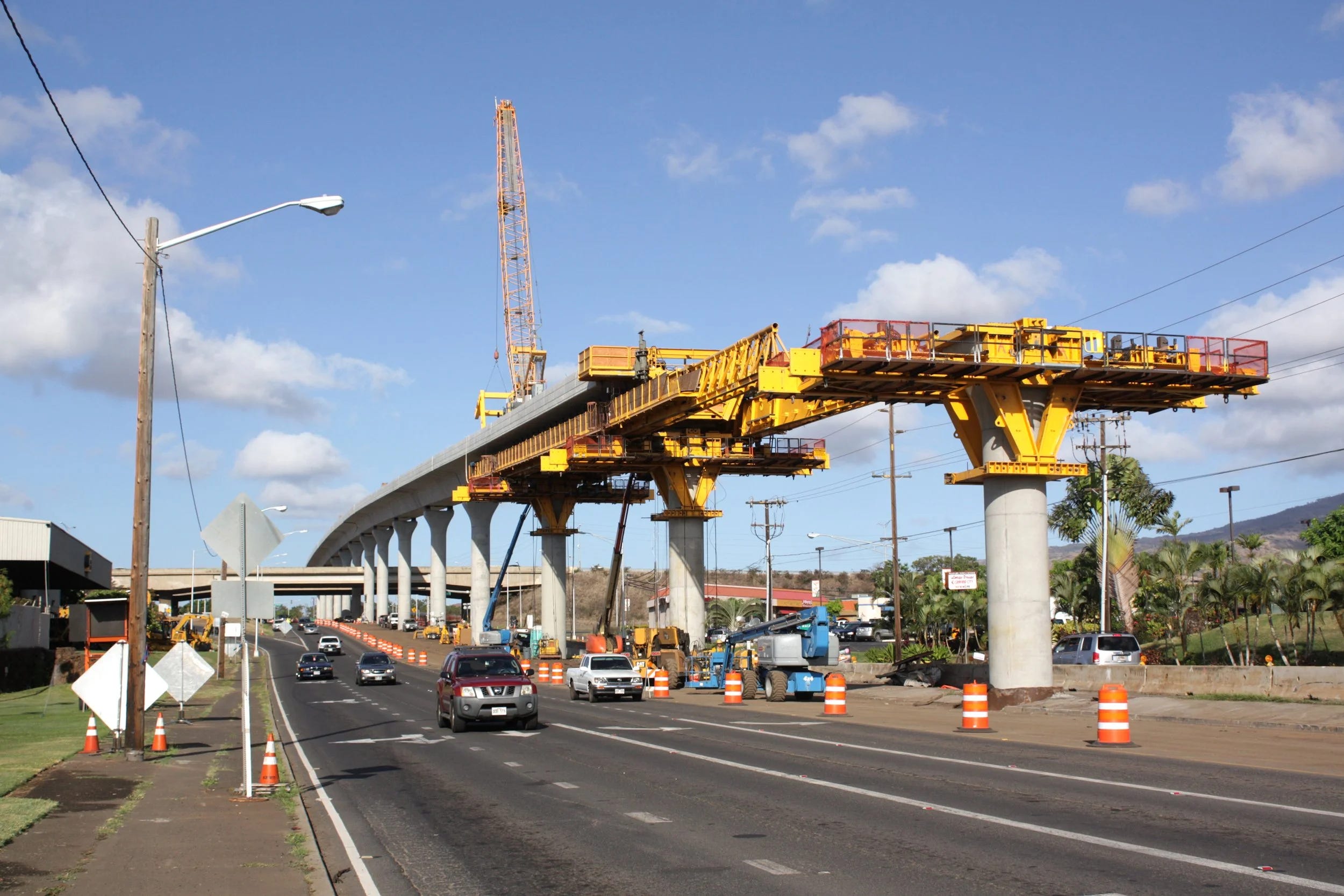
Democratic cities love transit branding.
And if you look at the progress we have had in the past decades, that is only what it is. Transit Branding.
They love talking about walkability, equity, climate, density, and reducing car dependence. They love transit station plans, studies, community meetings, environmental reviews, ribbon cuttings, and big speeches about the future.
But the United States barely builds rail.
In 2024, American cities added only about 29 kilometers, or roughly 18 miles, of light rail and no new metro rail service, according to The Transport Politic’s year-end roundup. That is pathetic for a country and party that claims to care about climate, mobility, and urban affordability.
And we see the same thing locally. Cleveland and Cuyahoga County talk about transportation, but RTA continues to face major challenges, and we still do not seem to plan around public transit in a serious way. Look at the Cleveland Browns stadium conversation. Where is the bold transit planning? Where is the actual infrastructure vision? Where is the discipline to say, if we are building or relocating major public assets, transit must be central?
Instead, we get the same slow, managed decline.
Study it. Talk about it. Frame it. Review it. Delay it. Then wonder why nothing changes.
That is not progressivism. That is bait and switch conservatism.
The Party Protects Itself Too
This is not only about public policy. It is also about the Democratic Party itself.
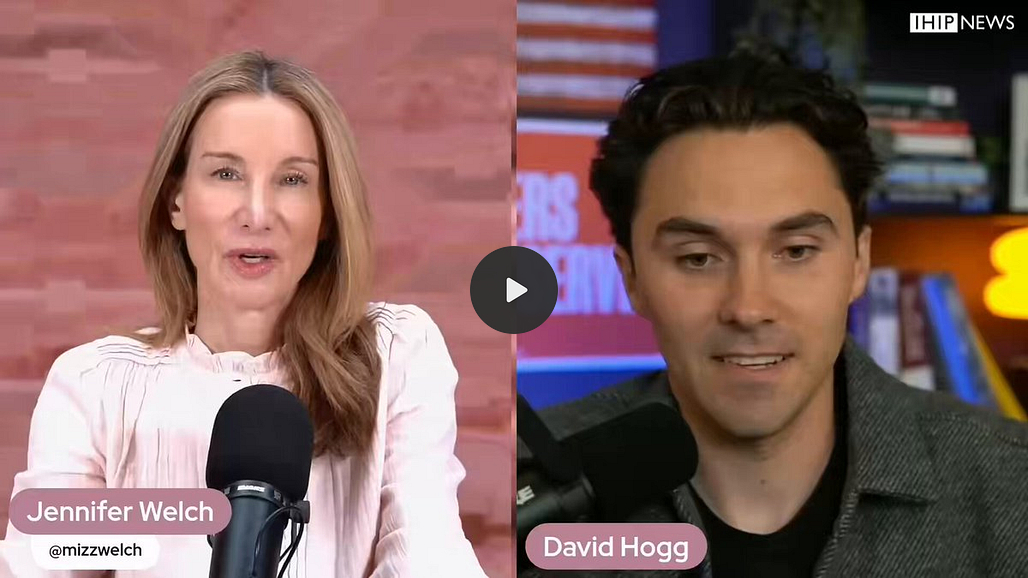
The David Hogg fight inside the DNC is one of the clearest examples. Hogg and Leaders We Deserve announced a $20 million effort to support younger candidates and primary challenges, including challenges to House Democrats in safely Democratic seats. The backlash was immediate. The DNC ultimately moved to redo the vice chair elections, and Hogg announced he would not seek to remain in the role.
You can dress that up however you want. Procedure. Neutrality. Party unity. Avoiding infighting.
But the deeper message was obvious.
Do not challenge incumbents. Do not threaten the internal order. Do not organize against the people already in power.
That is establishment protectionism. That is institutional conservatism.

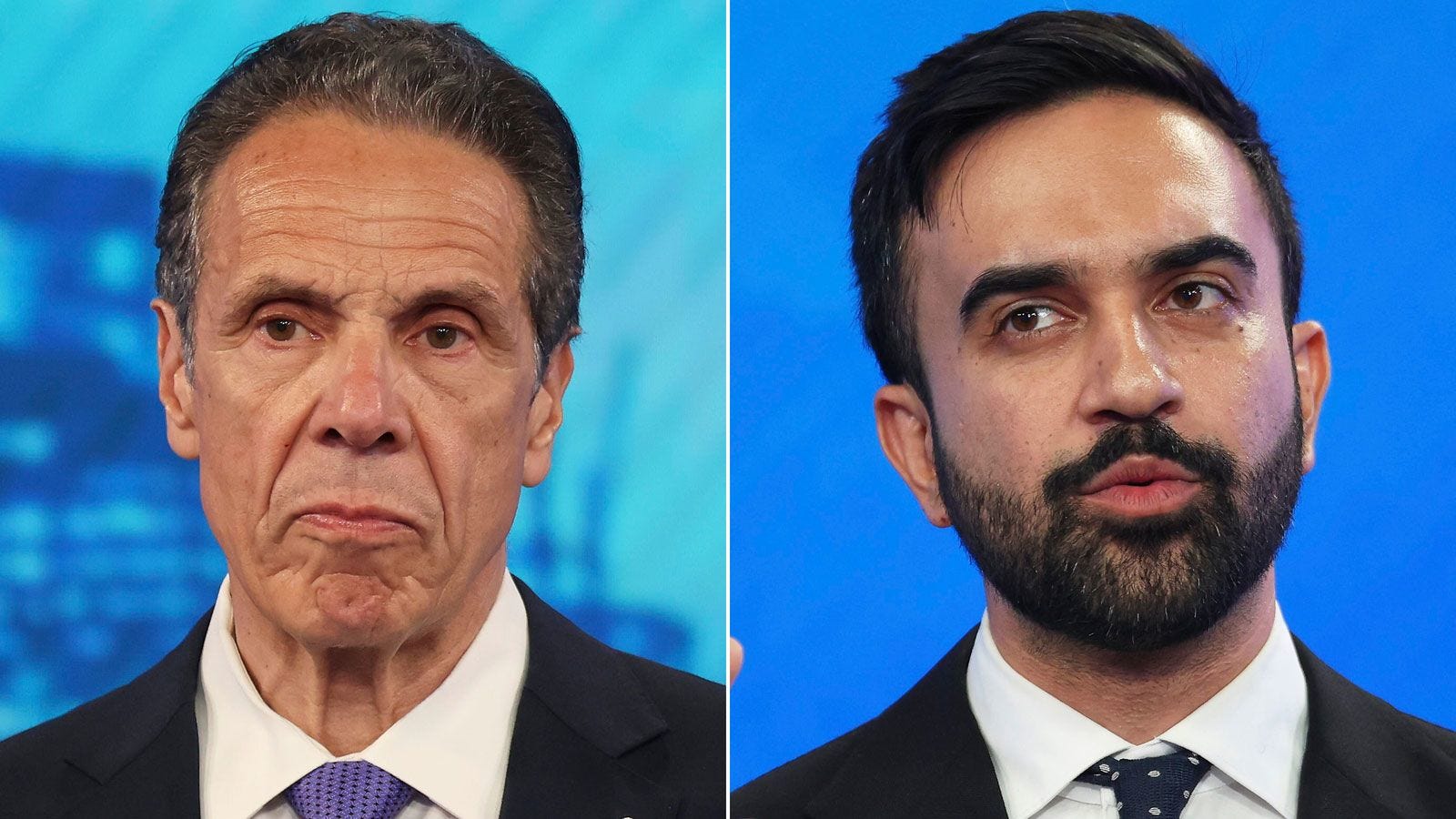
You saw the same fight in New York with Zohran Mamdani and Andrew Cuomo. Mamdani represented the new democrat challenge, the new coalition, the voters who wanted something different. Cuomo represented the old establishment style: name recognition, institutional power, big money, donor politics, and the belief that politics should remain controlled by the same people who have always controlled it. Axios described Mamdani’s upset over Cuomo as something that had some Democrats in Congress worried about their own reelections, because it signaled the possibility of more anti-establishment primary challenges.
The establishment does not just disagree with progressives. It treats them as a threat to the order of the party. When younger candidates, left candidates, working-class candidates, anti-corporate candidates, or grassroots candidates challenge the old structure, the reaction is often not debate. It is containment.
And this is not just one race. Progressive challengers are showing up across the country, and when they win, it is treated as a shock to the system instead of evidence that voters may actually want a different kind of politics.
That is why this fits the larger argument. The Democratic establishment says it wants democracy, but too often it wants democratic managerialism. It wants participation, but only if participation but only their way. It wants energy, but only if that energy can be controlled. It wants younger voters, working-class voters, and disillusioned voters, but it does not always want the candidates those voters actually produce.
They just want the money and free volunteer labor.
I already wrote about the DNC autopsy report as a leadership issue, and I’ll link to that here. But the deeper pattern is the same. The institution’s first instinct is often self-protection.
Again, that is not progress.
That is preservation.
The Problem Isn't The Autopsy Report. This Is About Leadership.

The 2024 DNC autopsy report was released, but this is not really about what is inside the report.
The Establishment Liberals Are Not the Party of Change
This is the core of it.
The modern Democratic establishment has become conservative in practice, even while remaining liberal in branding. It conserves institutions, incumbents, zoning systems, donor relationships, seniority, process, regulatory structures, and procedural norms.
It calls this pragmatism. But for people dealing with housing costs, health care costs, corruption, climate collapse, broken infrastructure, student debt, unaffordable cities, rural decline, corporate power, and democratic backsliding, it looks like managed decline.
When every solution dies in process, that is conservatism.
When every reform gets watered down or financially bloated to protect stakeholders, that is conservatism.
When every new idea gets buried under studies, task forces, and local veto points, that is conservatism.
When new candidates are treated as threats, that is conservatism.
When the party protects incumbents before voters, that is conservatism.
When we talk about the future but preserve the present, that is conservatism.
The Solution
The Democratic Party needs to stop with the bull shit.
We need to build or allow housing, not just talk about affordability.
We need to build or allow clean energy, not just talk about climate.
We need to build or allow transit, not just talk about equity.
We need to allow primary challenges, not treat them like attacks on democracy.
We need to hold party leadership accountable, not hide behind process every time someone asks hard questions.
The Democratic Party can still be the party of the future. But…
Establishment Democratic liberalism has become… weak AF.
It has become too comfortable preserving institutions that are not delivering results.
It has become too comfortable saying the right things while defending systems that prevent those things from happening.
And I think it is time we say that honestly.
The Republican Party is reactionary.
The Democratic establishment is preservationist.
And preservationism is a form of conservatism.