

Good morning, everybody. It is Election Day.
First things first: If you still need to find your polling location or see what is on your ballot, visit VOTE411, from the League of Women Voters. Enter your address to find your voting information. You can also check with your local Board of Elections.
Hopefully, you already have your plan. If you don’t, get it together and go vote.
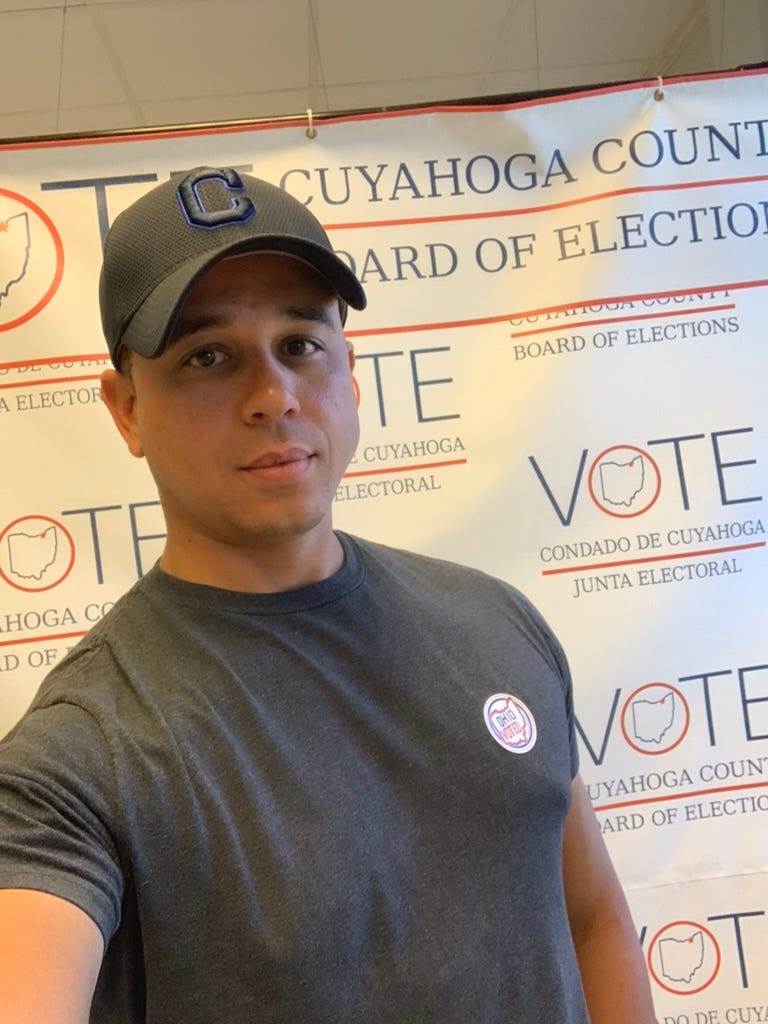
Going into today, there are a couple of things on my mind that I want to pass along. This election, in my opinion, is a litmus test for much more than control of Congress.
It is about character. It is about promises. It is about whether people care more about their party or the people representing them.
And when the results come in, it will be about understanding what voters actually said.
Trump’s Promises Versus Reality
Donald Trump got a second chance as president of the United States. He made some bold promises, including two that people could easily understand: no more forever wars and lower costs.
Look at where we are.
The war with Iran has now lasted more than eight months. What was supposed to be a quick military operation has become another prolonged conflict in the Middle East, with American service members deployed overseas and families wondering what comes next.
Meanwhile, the war has driven up energy costs. You feel it at the pump. Businesses feel it buying diesel to transport goods. Those costs work their way into the prices you pay at the store.
Lower costs and no more forever wars. Those were the promises. But we have a different reality.
At the same time, Trump’s family businesses have generated billions from cryptocurrency ventures. His name is attached to everything from cell phones to digital assets and stablecoin ventures.
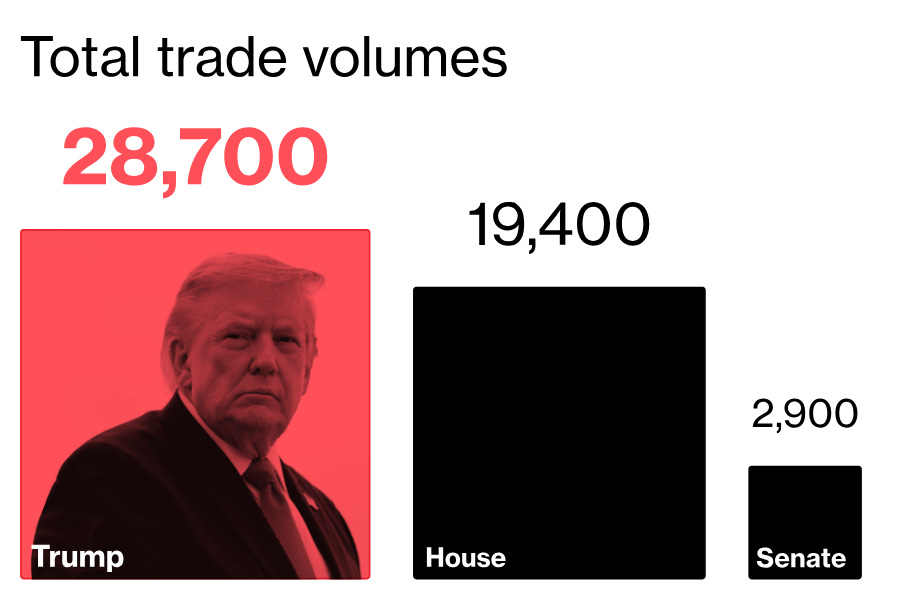
Bloomberg counted more securities trades by Trump or his money managers than by all of Congress combined.
People struggling to fill their gas tanks are watching a president whose business interests keep expanding.
Will voters who supported him in 2024 hold him accountable for that? Will they compare what he promised with what he delivered? Or does the party affiliation matter more?
Today, we find out.
Ohio’s Seventh District Is a Character Test
Here in Ohio’s Seventh District, we have another version of that question.
Max Miller is someone I know well. The domestic violence allegations surrounding him involve multiple women and accounts reaching back roughly two decades. Miller denies the allegations.
Some of the most shocking revelations came this summer amid the fallout from his divorce and child custody dispute.
The response reached his own party. Republican Senator Jon Husted called on Miller to resign and leave the race. Republican Senator Bernie Moreno said Miller was unfit to serve.
These are Ohio’s two Republican senators.
Now voters have to make their own decision.
In a district Trump carried by roughly 11 points in 2024, will Republicans and independents join Democrats in deciding that character matters more than keeping a Republican in the seat?
How much are people willing to overlook for their party? At what point do they say that the person asking to represent them has crossed a line?
That question is on the ballot, too.
The Polling Gets Its Test
Then there is the question I have been writing about throughout this election: Can we trust the information being put in front of us?
The polls. The headlines. The predictions. The confidence that a massive blue wave is coming.
Have pollsters accounted for the electorate correctly? Have the media explained the uncertainty, or have they turned close races into confident narratives? Are readers being shown the margin of error with the same enthusiasm as the favorable headline?
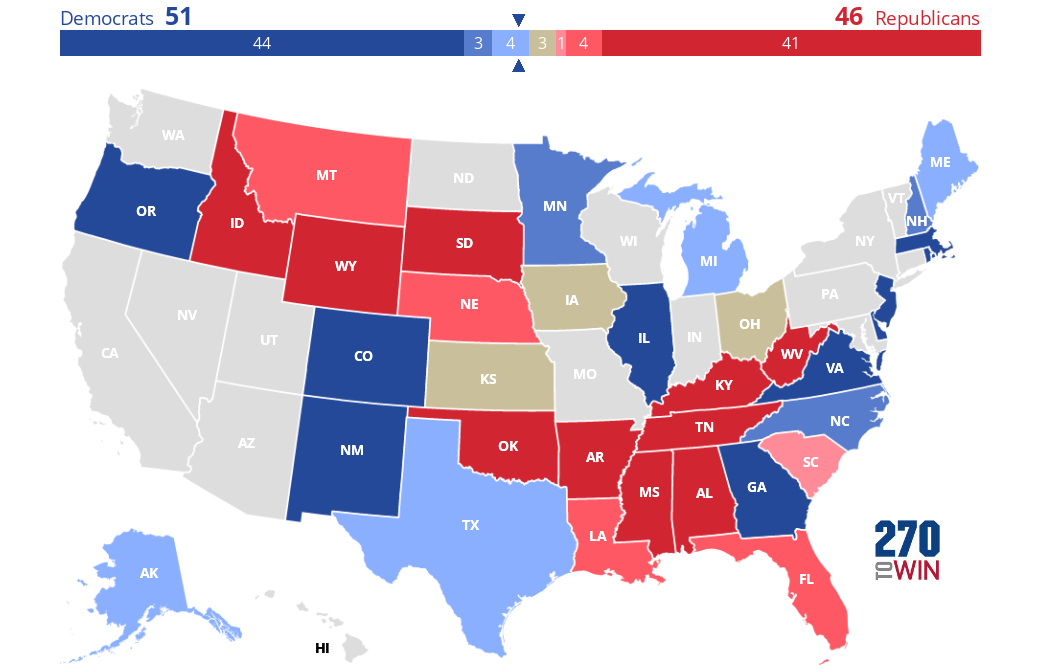
The president’s party usually loses House seats in a midterm election. History favors the opposition, but it does not guarantee a change in control. I expect Democrats to take the House. The Senate remains another major question.
If the enormous Democratic sweep people have been predicting fails to materialize, we need to go back and examine the information that shaped those expectations.
Who got it wrong? Why? Who repeated numbers without examining them? Who sold certainty where there was uncertainty?
And if Democrats win the House and Senate, great. Then we hold them accountable for what they do with that power.
Winning an election does not finish the job.
A Vote Against Trump Is Not Automatically a Vote for Democrats
A friend of mine voted Republican down the ballot in 2024. He told me he is voting entirely Democratic this time, out of spite.
He does not suddenly love the Democratic Party. No. He wants to get back at Trump.
It is a protest vote.
I have seen Republicans online say similar things. Other people I have spoken with say they are crossing party lines because they believe the other candidate has better character.
Those votes can produce the same result on election night while coming from very different places.
Democrats need to understand that distinction.
If someone votes for your candidate because they are furious with Trump, you have won their vote for this election. What happens after that is still an open question.
Will they stay? Will they return to voting Republican in the next presidential election? Have their policy preferences changed, or have they reached their limit with the people currently running the Republican Party?
A Democratic victory could reflect enthusiasm, rejection, or some combination of both. The party needs to figure out which.
What Are Voters More Afraid Of?
This is also a test of the Democratic Party’s competing visions.
There are establishment Democrats, progressive Democrats, and the Democratic Socialists of America. They have different ideas about what the party should become, and Republicans have spent plenty of money trying to make socialism the reason voters reject all of them.
Will that argument work?
Are voters more afraid of the word “socialism” than they are of high gas prices, another prolonged war, and uncertainty about what comes next?
Just before Election Day, Tucker Carlson claimed that the administration could be days away from launching a nuclear strike on Iran. That is an unverified claim, but it is the kind of warning now entering people’s conversations as they prepare to vote.
Think about that atmosphere.

People are weighing their bills, the economy, war, and the possibility of further escalation. At the same time, campaigns are telling them that the real threat is the other party’s ideology.
Which concern wins?
And if voters reject the Republican message today, what exactly are they embracing?
Are they moving toward Democratic policies? Are they rejecting Trump personally? Are they rejecting what his Republican Party has become?
Those questions matter long after the victory speeches.
What Today Will Tell Us
Here is how I sum it up.
Does character still matter? That is on the ballot.
Do promises matter? That is on the ballot.
Can we trust the polling and the information being sold to us? That gets tested today.
Are Democrats gaining support, or are Republicans losing it? That distinction is on the ballot, too.
I will be watching the results come in with you, breaking down the races and looking at what we can actually learn from them.
Go vote.
And to all the candidates of character asking for the opportunity to represent their communities: Good luck.