

Hey everyone, Matt here.
Before we get into the numbers, take a look at my Ohio Congressional Campaign Finance Tracker. You can compare candidates, explore their campaign finances, and see the outside money coming into these races.
The latest financial reports have dropped. We are less than three weeks from the midterm elections, and while another reporting deadline is coming before Election Day, these third-quarter reports give us a substantial look at the money behind the campaigns.
These numbers cover July through September, with cash balances as of September 30.
And in Ohio’s 7th District, Brian Poindexter absolutely crushed Max Miller in fundraising.

Ohio’s 7th: Poindexter Raised Nearly 17 Times as Much
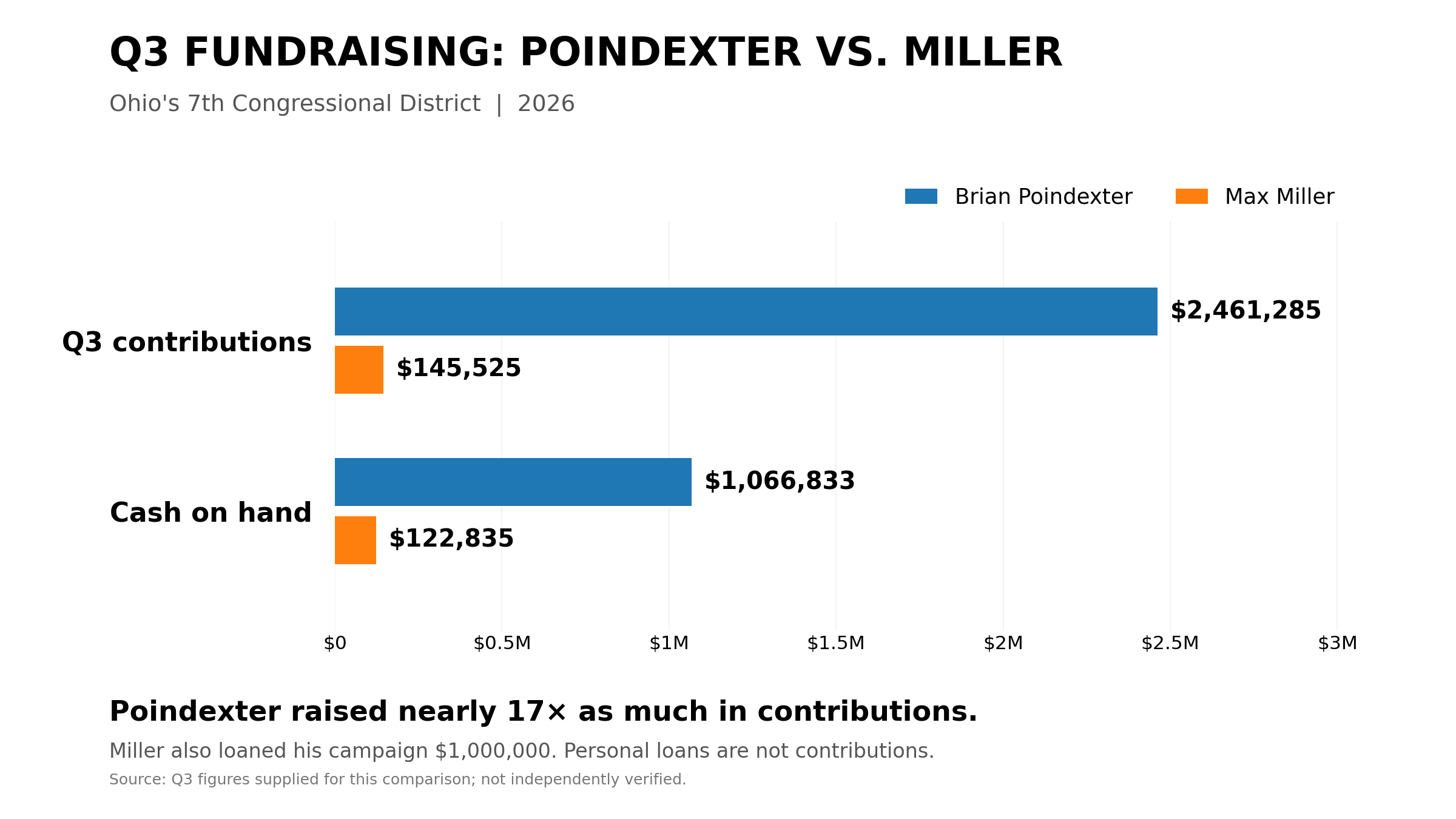
Brian Poindexter raised $2,461,285 in contributions during the third quarter.
Max Miller raised $145,525.
That is a difference of $2,315,760. Poindexter brought in nearly 17 times as much in contributions as Miller.
Miller also loaned his campaign $1 million of his own money. That pushed his total receipts to approximately $1.15 million, but we need to be clear about what that means. A personal loan does not represent people opening their wallets to support your campaign.
It represents you opening your own.
And the change from the previous quarter is striking.
Poindexter’s contributions increased from approximately $466,000 to $2.46 million, a 428% increase.
Miller’s fell from approximately $405,000 to $146,000, a 64% decline.
That is a dramatic shift in fundraising momentum.
The cash position is also very different from what I initially thought. They did not end the quarter with roughly the same amount available, and Miller was not ahead.
Poindexter ended September with $1,066,833 in cash. Miller had $122,835.
That put Poindexter ahead by approximately $944,000.
Miller spent heavily during the quarter, about $2.40 million, compared with Poindexter’s $1.72 million. So Miller outspent him by approximately $688,000 while ending with substantially less money available. Miller’s committee also reported approximately $1.965 million in debt.
The fundraising gap is enormous. The question now is how that translates into votes.
Small Contributions Tell Another Part of the Story
Looking at where the money came from, there is an interesting difference between percentages and actual dollars.
Among reported individual-contribution dollars, Miller received approximately $41,635 from unitemized contributions and itemized contribution entries of $200 or less.
Poindexter received approximately $659,863 in that same category.
That matters. A high small-contribution percentage can sound impressive until you look at the size of the fundraising base underneath it.
Poindexter also received approximately $981,619 in individual contribution entries of $2,000 or more, representing 43.4% of his individual-contribution dollars.
His fundraising surge included substantial money at both ends.
These categories measure contribution amounts, rather than each donor’s total giving. Somebody making repeated smaller contributions can ultimately give much more than $200.
Who Gave to Miller and Poindexter?
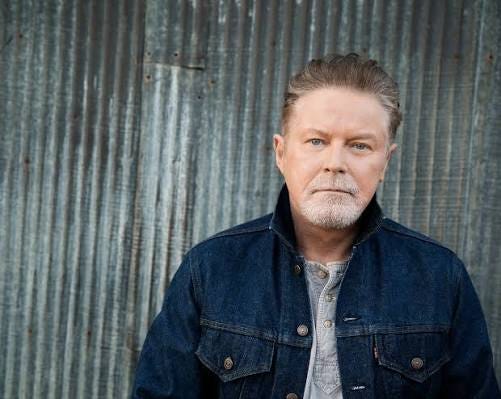
There are some recognizable names in these reports.
Selected individual contributions to Max Miller included:
Daniel Loeb: $3,500. Founder and CEO of investment firm Third Point. The contribution was marked as earmarked through AIPAC.
Gila Milstein: $3,500. Cofounder of the Adam and Gila Milstein Family Foundation. Her contribution was also marked as earmarked through AIPAC.
Keith Mardak: $1,000. Former Hal Leonard music-publishing executive and philanthropist.
Michelle Primm: $1,000. Cascade Auto Group managing partner and a National Automobile Dealers Association board member.
Selected individual contributions to Brian Poindexter included:
JB Pritzker: $3,500. The Illinois governor.
Robert Rubin: $3,500. Former U.S. Treasury secretary.
Penny Pritzker: $1,314.81. Former U.S. Commerce secretary.
Allen Blue: $3,500 in technology services. The LinkedIn cofounder’s contribution was reported as in-kind.
Phoebe Gates: $3,500. Phia cofounder and daughter of Bill Gates.
Mark Clein: $7,000 across two contributions. Cofounder of Precision Medicine Group.
Roger Altman: $3,500. Founder of investment bank Evercore.
Blair Effron: $3,500. Cofounder of investment bank Centerview Partners.
Marta Kauffman: $3,500. Cocreator of Friends.
Don Henley: $3,500. The Eagles musician.
Bonnie Raitt: $1,000. The singer-songwriter.
Those are individual contributions. Listing someone’s business background does not mean the business itself donated.
But the names show how much national attention this race is attracting.
The Outside Money Is Pouring Into Ohio’s 7th
Then there is the money being spent outside the campaigns.
These expenditures do not go into Miller’s or Poindexter’s campaign accounts. Outside organizations pay for their own advertising, canvassing, mail, and other activity supporting or opposing candidates.
The latest identified notices include approximately:
Congressional Leadership Fund: $2.24 million opposing Poindexter. This is a major House Republican outside-spending organization.
Your Community PAC: $1.98 million opposing Miller.
House Majority PAC: $1.60 million opposing Miller. A major organization working to elect House Democrats.
Ready for the Fight: $1.47 million opposing Miller. JB Pritzker serves as its honorary chair.
Jobs & Prosperity PAC: $580,712 opposing Poindexter and $116,337 supporting Miller. A pro-Miller super PAC whose disclosed funders include Brian Colleran, RMS Investment Group, and members of the Haslam family.
Retired Americans Action: $177,424 opposing Miller.
Stand Up for Ohio: $140,280 supporting Poindexter and $66,450 opposing Miller.
Progressive Turnout Project: $138,753 supporting Poindexter.
There are other notable interests involved, too.
Elon Musk-backed America PAC reported approximately $64,029 opposing Poindexter and $17,654 supporting Miller.
America First Agriculture Action, which has received cannabis-industry funding, reported approximately $54,895 opposing Poindexter and $51,502 supporting Miller.
SEIU COPE reported approximately $14,688 supporting Poindexter and another $14,688 opposing Miller.
Earlier processed spending also included approximately $570,204 supporting Poindexter from Jobs and Democracy PAC, associated with the Public First AI-policy network, and $198,019 from BDA PAC, Blue Dog Action’s political committee. Both of those amounts reflected primary spending.
That timing matters. Money spent to help someone win a primary should not be presented as though it all arrived for the general election.
The recent notices remain provisional because amendments, estimated costs, and reporting issues still need reconciliation. I am not adding them together and calling the result a verified grand total.
What is clear is that national party organizations, wealthy donors, labor, and industry interests are paying attention to Ohio’s 7th.
Where the Campaigns Are Spending
The campaigns themselves are putting substantial money into advertising.
Miller reported approximately $2.02 million to Strategic Media Placement for media buys.
Poindexter reported approximately $1.02 million to LC Media for advertising and video production, plus approximately $275,516 to Kinetic Strategies for advertising and digital fundraising.
Poindexter also reported approximately $81,109 to the Ohio Democratic Party for coordinated campaign, payroll-related, and administrative costs, along with $50,800 for polling.
These are campaign expenditures, separate from the outside spending above.
This is going to be a very interesting race. The fundraising momentum is clearly behind Poindexter, even in a district that has favored Republicans.
His union background, the concentration of organized labor in Cuyahoga County, and Miller’s high profile all help explain why this race is getting attention. Miller’s messy divorce has also been part of the public conversation.
Ohio’s 9th: The Iron Babushka Has the Advantage
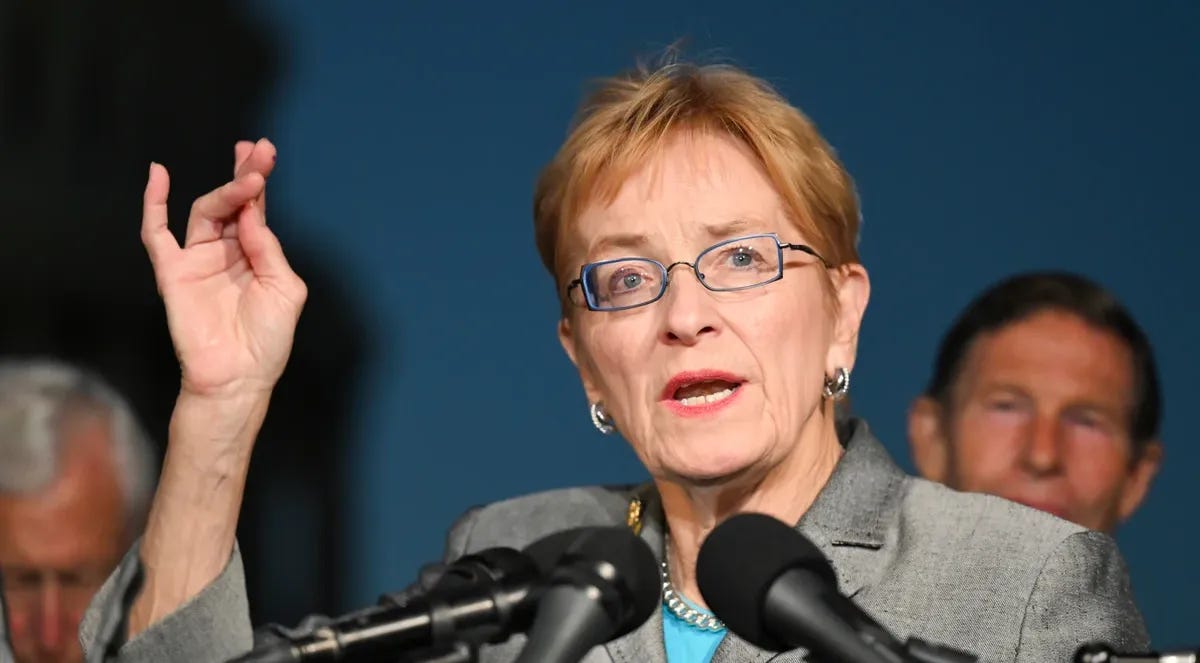
Marcy Kaptur’s race against Derek Merrin is another one worth watching.
Kaptur raised $1,220,236 in contributions during Q3. Merrin raised $398,608.
That is approximately three times as much for Kaptur.
She also spent heavily: approximately $3.53 million, compared with Merrin’s $299,366.
At the end of September, Kaptur had $1,246,370 in cash, while Merrin had $787,056, giving her an advantage of approximately $459,000.
Democrat Marcy Kaptur represents a Republican-leaning district, yet she has faced numerous challengers over the years and has always come out on top.
Ohio’s 10th: Knickerbocker Out Raised Turner
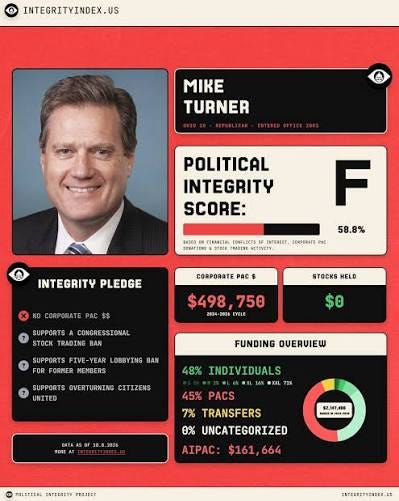
In Ohio’s 10th District, Democrat Kristina Knickerbocker raised $509,992 in contributions, compared with Republican Mike Turner’s $338,385.
Knickerbocker outraised Turner by approximately $172,000, or about 51%.
Turner still had the cash advantage at the end of September: $588,342, compared with Knickerbocker’s $303,192.
That makes this a different financial picture from Ohio’s 7th. The Democratic challenger led in quarterly contributions, but the Republican incumbent retained more money.
This is another potential red-to-blue opportunity that deserves attention. I do not think it should get lost simply because the 7th has attracted a larger fundraising surge and a higher-profile political fight.
Ohio’s 14th: What Happens When Your Race Gets Less Attention

Ohio’s 14th shows a very different situation.
Republican Dave Joyce raised $243,219 in contributions during Q3. Democrat Maria Jukic raised $42,052.
Joyce ended September with approximately $2.33 million in cash. Jukic had approximately $25,141.
To me, this illustrates the power of national party attention and the fundraising networks that come with it. When your race becomes a priority, the resources can change dramatically. When it does not, raising enough money to compete can be a constant struggle.
I know what that feels like.
In my race against Miller, he raised around $3 million while I raised around $300,000. I spent days and nights on the phone trying to bring money in.
Then you see what happens when the party and national donors “decide” a race is worth investing in. The difference is startling.
Ohio’s 13th: The Opposite Picture
In Ohio’s 13th District, Democrat Emilia Sykes raised $719,122 in contributions during Q3.
Republican Carey Coleman raised $39,426.
Sykes ended September with $1,102,523 in cash. Coleman had $60,684.
Sykes had approximately 18 times as much in quarterly contributions and cash on hand.
My read is that Coleman is not attracting the financial support you would expect for a serious push to flip the seat. It looks like a race where Republicans are allowing their candidate to fall far behind.
The numbers alone do not prove a formal decision to abandon him. But financially, this is a dramatically lopsided contest.
Two Other Races Worth Noting
In Ohio’s 1st District, Democrat Greg Landsman raised $868,506 in contributions, compared with Republican Eric Conroy’s $455,107.
Landsman ended September with approximately $1.50 million in cash. Conroy had approximately $303,000.
In Ohio’s 11th District, Democrat Shontel Brown raised approximately $285,183 in contributions and ended September with approximately $1.20 million in cash. This is a very safe Democrat seat.
Follow the Money, Then Watch the Results
The biggest story in these reports is Ohio’s 7th.
Poindexter raised nearly $2.5 million in contributions. Miller raised approximately $145,000 and put another million dollars of his own money into the campaign.
That is a substantial difference in the support flowing into their campaign accounts.
Across Ohio, the reports also show where resources are concentrating and where candidates are being left to compete with much less.
I will be talking more about these races as we get closer to Election Day. In the meantime, explore the Ohio Congressional Campaign Finance Tracker and take a look at the money behind the candidates asking for your vote.